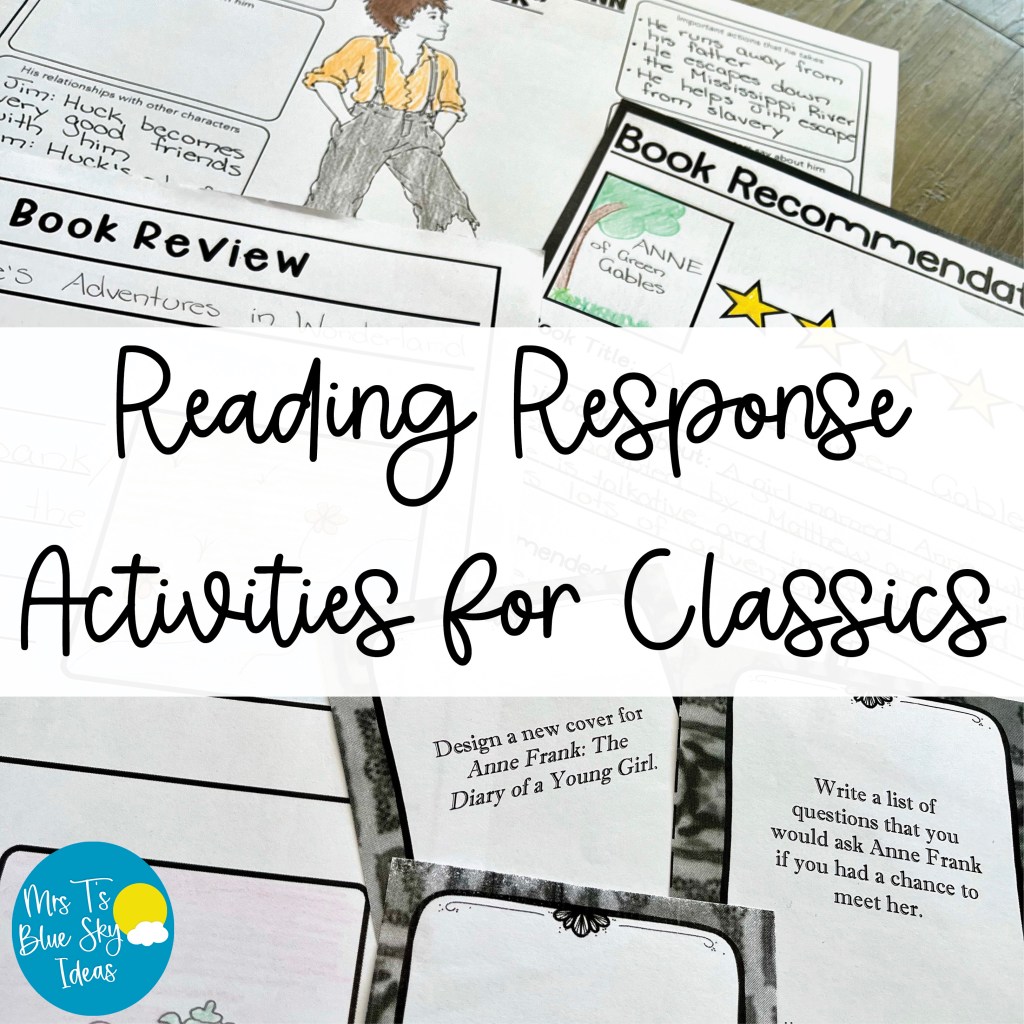
When I was in the classroom, I looked forward to our novel studies and class reading time. Having an excuse to read with my students was always such a delight. Plus, it was a great way to engage students.
While novel studies are a fun and engaging addition to the classroom, there are also a lot of other benefits, like new vocabulary exposure, reading comprehension practice and opportunities to develop listening skills.
One of the simplest ways to add a novel study to your classroom is to start with the classics and use the many resources that already exist to save planning time!
In this post, I’ll talk you through how that looks and give you some tips for this fun and engaging classroom reading routine.
Reading Response Activities for Classic Novels
One of the easiest ways to save time when planning a unit on a classic text is to use ready-made resources that have been specifically tailored to the book you’re reading. This allows you to spend less time planning and prepping and more time focusing on teaching and enjoying the text with your students.
Below, you’ll find ready-to-use units for the following classic titles:
- Peter Pan by J. M. Barrie
- The Wizard of Oz by L. Frank Baum
- The Adventures of Huckleberry Finn by Mark Twain
- The Diary of Anne Frank
Hopefully, these resources provide some inspiration—and save you a little planning time—as you prepare for your next reading unit.
Fly Off to Neverland with Peter Pan
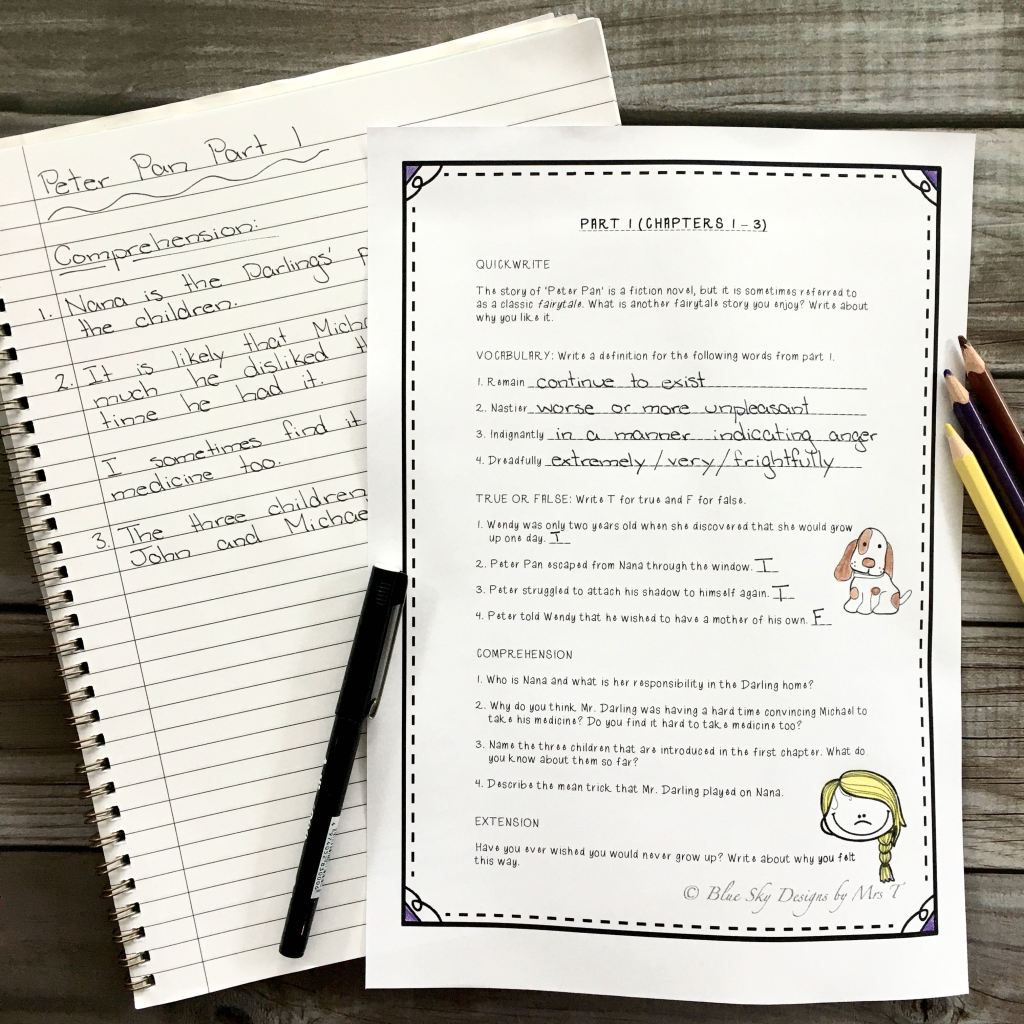
Start your journey through the classics with the fun and adventurous tale of Peter Pan! From fairies and mermaids to crocodiles and pirates, this much-loved story is filled with adventure, imagination and memorable characters that can capture students’ interest and spark meaningful classroom discussions.
These Peter Pan reading comprehension worksheets are designed to support students as they read, with comprehension questions to check understanding, key vocabulary to build word knowledge, and writing prompts that encourage students to dig deeper into the story’s themes and characters. They’re perfect for guided reading groups, independent work, or as a companion to a whole-class novel study.
To help guide your students as they read through the fun classic Peter Pan, you can grab your copy of this resource here: Peter Pan Book Study.
Follow the Yellow Brick Road to Oz
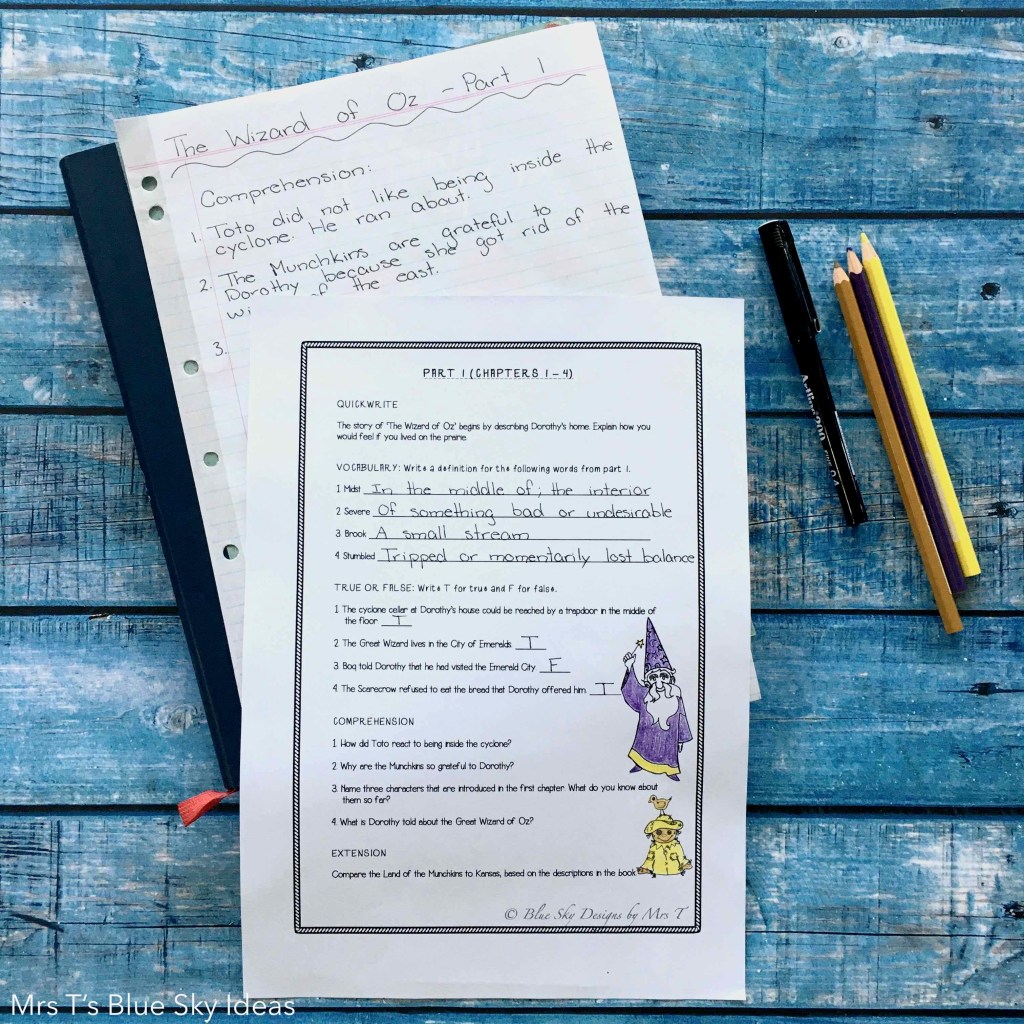
The Wizard of Oz is such a fun classic for getting children engaged in reading. From Dorothy’s journey down the yellow brick road to the unusual characters she meets along the way, the story provides plenty of opportunities to talk about characters, setting, events and the choices they make.
Once students have dived into this imaginative world, having a ready-made guide to help them think about and reflect on the text can be incredibly helpful. These simple but effective reading response worksheets provide a kid-friendly and engaging way for students to explore The Wizard of Oz as they read. With comprehension questions, opportunities to think about the characters and events, and writing activities connected to the story, they give students a chance to move beyond simply remembering what happened and really think about what they have read.
Having the activities ready to go also means less planning and preparation for you, leaving more time to focus on enjoying this classic story together.
You can grab a copy of the Wizard of Oz resource pictured here by visiting: The Wizard of Oz Book Study.
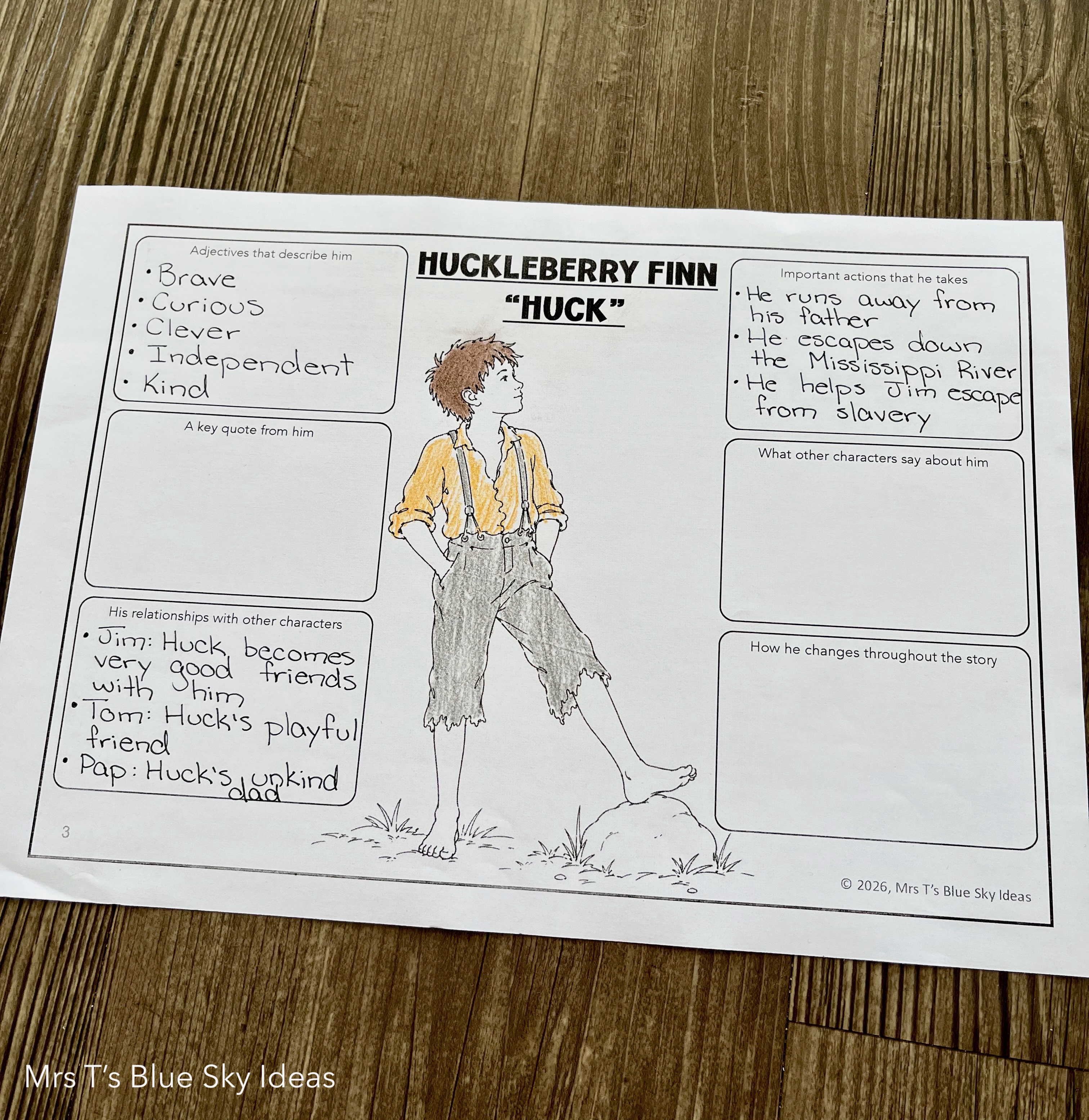
Journey Down the Mississippi with Huckleberry Finn
The Adventures of Huckleberry Finn provides plenty of opportunities to explore deeper themes and big ideas with your students, while still giving them an engaging story to enjoy. Huck’s journey down the Mississippi River introduces students to a memorable cast of characters, each with their own personalities, motivations and perspectives. As students get to know these characters, there are plenty of opportunities to discuss friendship, freedom, choices, morality and the ways people see the world differently.
Because the book is so rich in memorable characters, character analysis is a natural way to help students look more closely at the text. This set of character analysis templates gives students a structured way to explore the characters they encounter, consider their traits and actions, and support their thinking with evidence from the story. These ready-to-use templates make it easier to guide students through character analysis without having to create activities from scratch, saving you valuable planning and preparation time.If you’re planning a unit on The Adventures of Huckleberry Finn, you can find this resource here: The Adventures of Huckleberry Finn Character Analysis Templates.
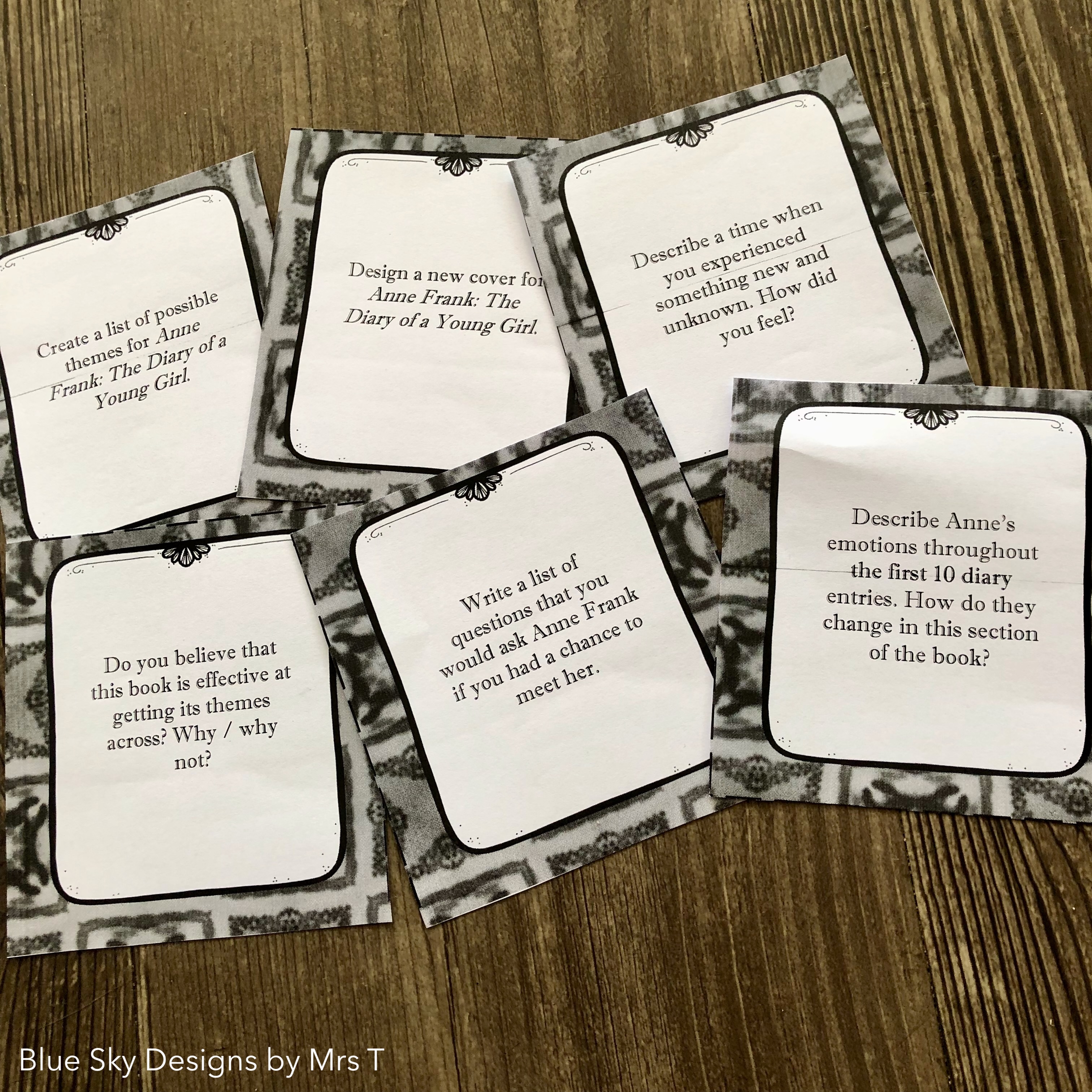
Explore History Through Anne Frank’s Story
One book that I read when I was younger that really stuck with me was the Diary of Anne Frank. I love it when literature changes our perspective, and this book does that beautifully.
To help walk you through this poignant text, you can grab these ready-made literature response task cards. This set of task cards is designed to help students approach the text in a meaningful way. It’s available here: Diary of Anne Frank Literature Response Task Cards.
Flexible Reading Response Activities for Any Book
I hope these book companions give you a helpful starting point for exploring classic texts with your students. But you don’t need a text-specific resource to make your reading time engaging and meaningful. If you have another book in mind – or simply want some flexible activities you can use across different texts – the following reading response activities can be used alongside almost any book.
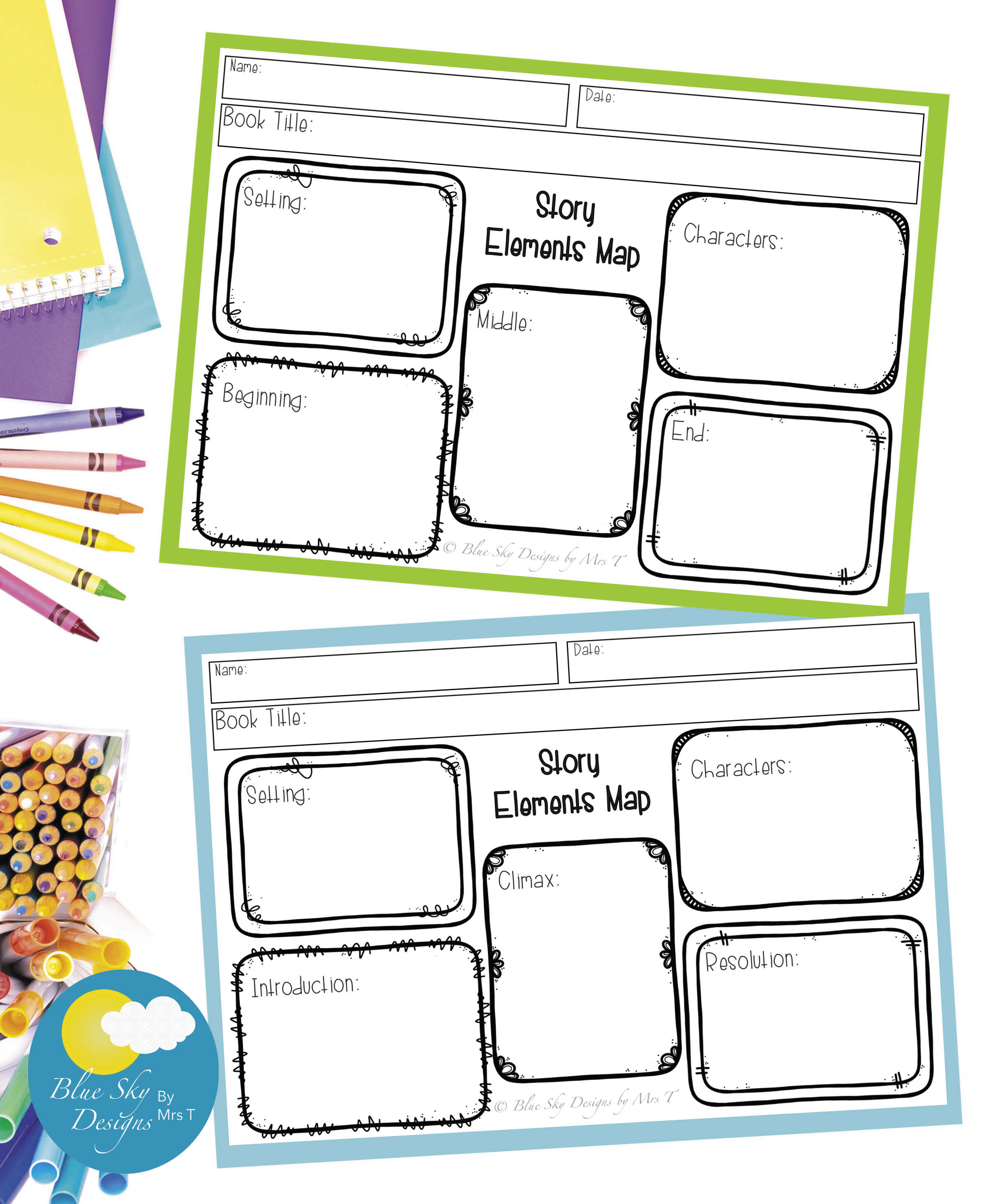
Map Out the Story Elements
Before having students dive deep into a text, they need to understand the different elements that make up a story. That’s where a Story Elements Map comes in. Story maps help students lay out the different parts of a story and are great for highlighting patterns and starting discussions about the main elements of a story.
If you’re looking to save time and grab some ready-made story elements templates, I have some in my TpT store available here: Story Elements Maps.
Spark Conversation with Discussion Boards
Discussion boards are a great tool to use when reading through classic texts with groups of students. Discussion boards allow your students to engage in meaningful discussions in a less pressured environment. They work by presenting students with a discussion question that they can individually write a response to before talking through their response with the rest of the group.
For some pre-made discussion boards that work alongside any fiction book, head to this link: Reading Discussion Boards.

Spin for a Reading Response
For a more interactive way to have students respond to texts, use Spin a Reading Response Prompt. Simply take the same reading response prompts that you’d usually use and put them on some spinners. Have students spin the spinner to decide how to respond to the text.
This is a simple but effective way to shake up reading response time. If you’d like some ready-made reading response prompt spinners, head to this link: Reading Comprehension Activities.

Recommend a Book to Your Classmates
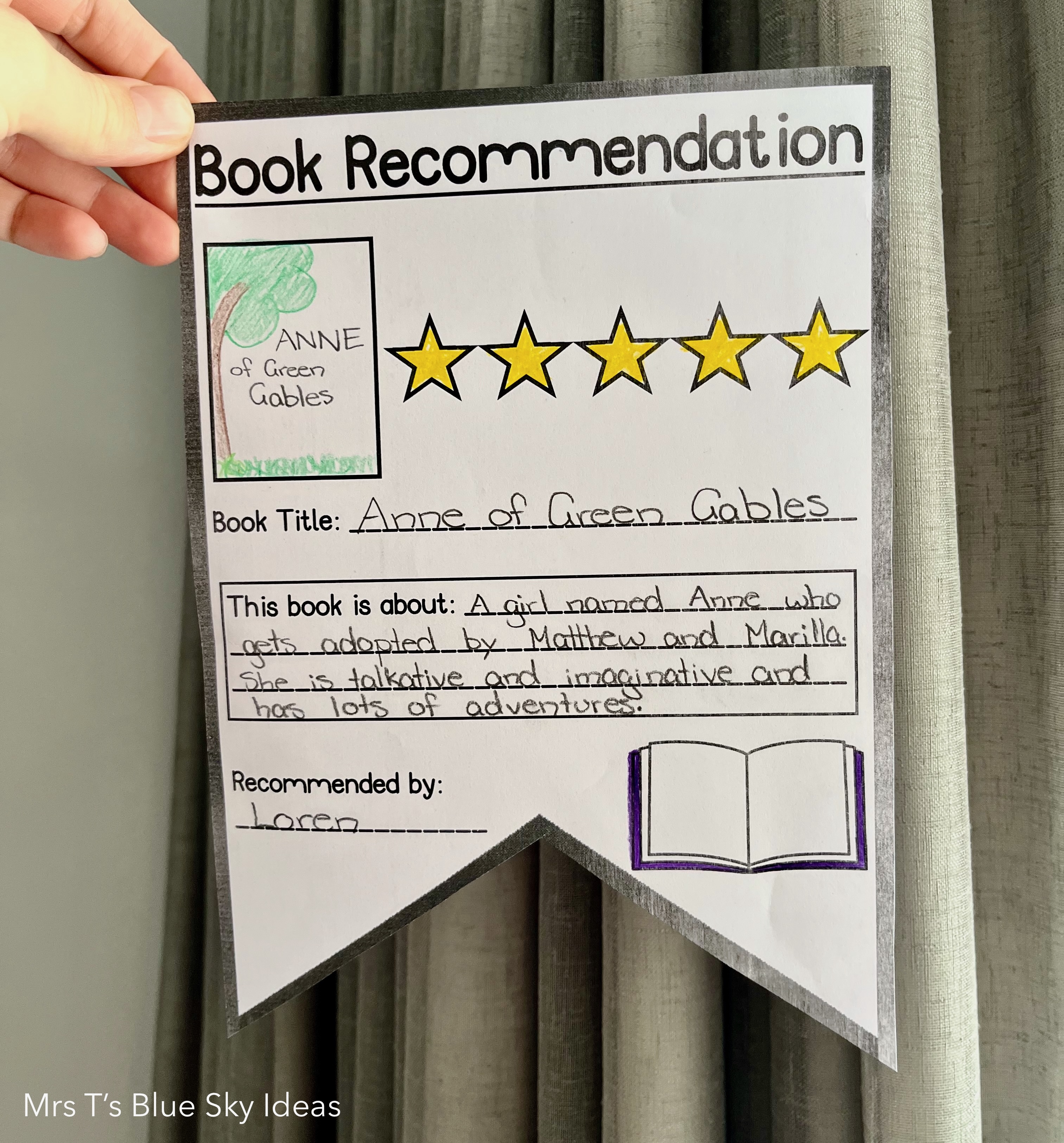
If you want to get your whole class more excited about discussing books while keeping your bulletin board up to date – try creating a Book Recommendation Banner! Every time students read a new book that they enjoy, get them to complete a new section to add to the book recommendation banner. This is a great way to help students become aware of new books too. Of course, the teacher can add some recommendations as well!
To make this super easy to get started with straight away, head to this link to grab my ready-made book recommendation banner templates: Book Recommendation Banner Templates.
Write a Book Review
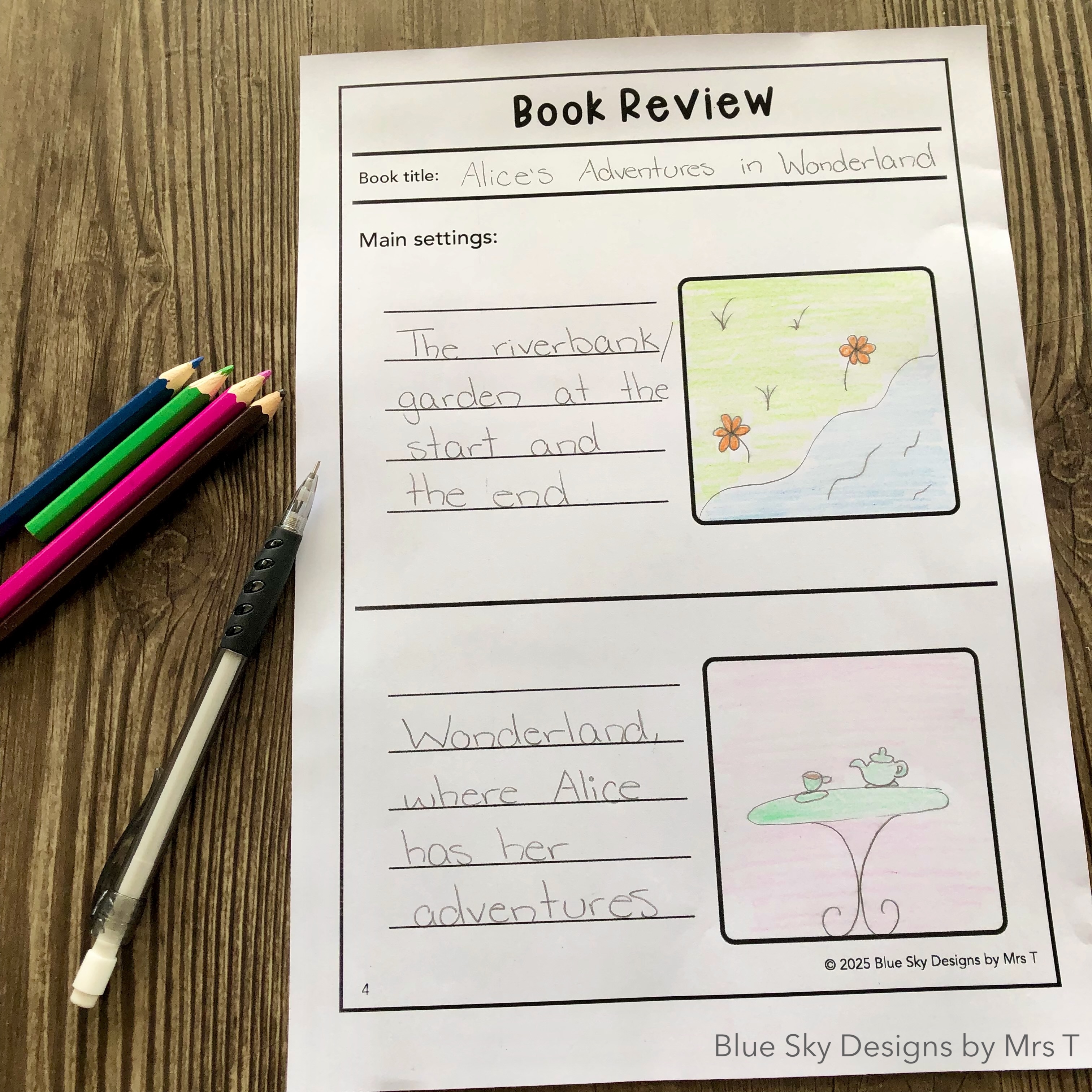
Sometimes a classic book report is the best way to engage students in the texts they’re reading. This gives students a chance to give their opinions of the book and practise gathering evidence to support those opinions.
I recommend having some templates for students to fill in to make this process easier. Then they can use those templates to create a booklet or display poster about the books they’ve been reading.
For some ready-made and easy-to-use templates, take a look at my Book Review Templates Pack here.
Compare Ideas Across Two Texts
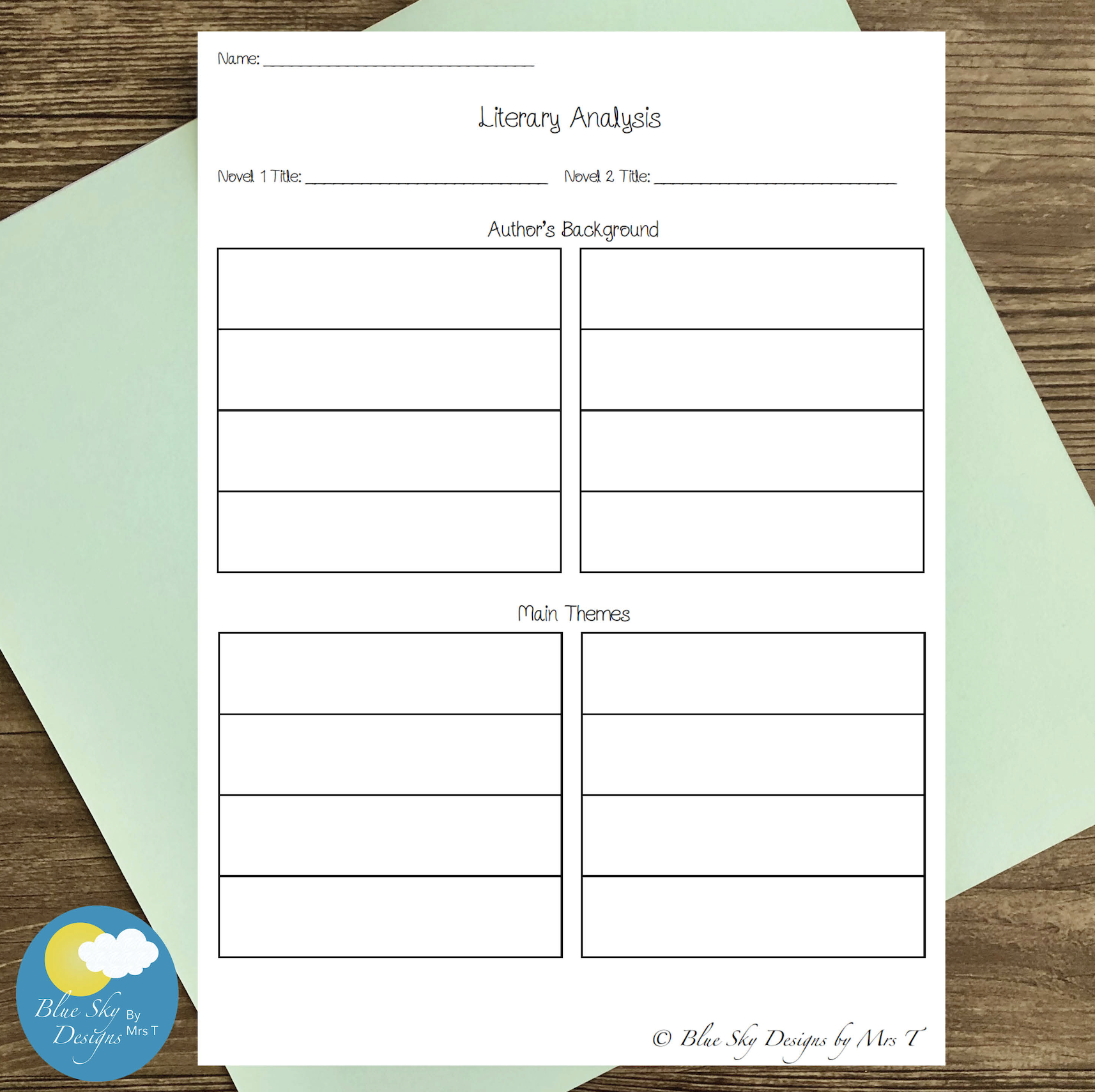
Once students have had some practice analysing individual texts, you can challenge them to compare two different texts side by side. Guiding students through text comparisons like this encourages them to look more closely at the details of each text and notice similarities, differences, themes, characters, settings and ideas that they might not have noticed when reading each text on its own. It can also be really interesting to see the connections students make between texts and hear them explain why they think two stories, characters or ideas are similar or different.
Having some templates to guide students through the process can make paired text analysis a little easier, giving them a clear structure for recording their ideas and comparing the two texts. You can click here for the Paired Text Analysis Templates pictured.
I hope this post has inspired you to introduce some classic texts to your students! Remember to use the links to buy your own copies of the resources mentioned.
Want some more ELA teaching ideas while you’re here? Then have a read through my post on How to Use Student Choice Boards for ELA Assessment. In it, I share practical ways to give students more ownership over their learning while still meeting your assessment goals.
P.S. I love to hear how my tips and resources are helping you in your teaching, so leave a comment to let me know!
Have a question or a request? You can contact me at mrstsblueskyideas@gmail.com.


Leave a Reply