To prioritise English or to prioritise Maths – that is the question. But what if there was a way to spend time covering both at once? Well, there is. And it doesn’t need to require a ton of extra planning time either, because I’ve already done some of the work for you!
In today’s blog post, I have some simple tips and ready-to-go resources to help you combine both of these very important learning areas through an interdisciplinary approach.
Use Vocabulary Lists in Your Maths Lessons
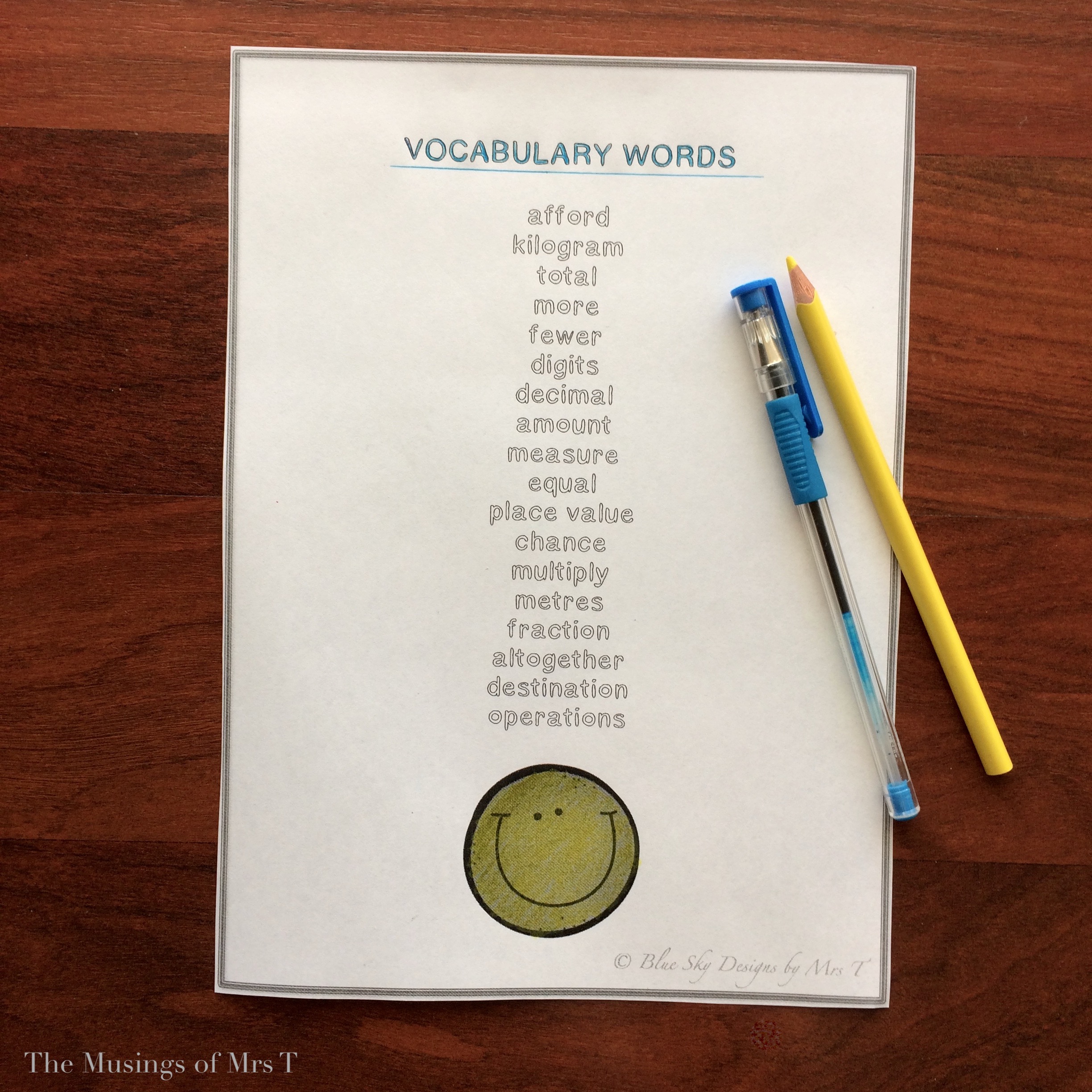
Whenever you introduce a new concept in Maths, spend some time going through the vocabulary related to that topic. I like to include vocabulary lists in many of my resources, like the one featured in my set of problem-solving questions pictured below. Not only does this help students with understanding their Maths lessons, but it also exposes them to new words and spelling patterns.
Develop a Mixed Morning Work Routine
Using a morning work routine to start the day gives students consistency and offers them an opportunity to revise what they’ve been learning in class. By covering both Maths and English in your morning work tasks, you’re able to make the most of this opportunity. If you don’t have the time to create your own set of daily morning work tasks, I’ve got you covered! I have a month’s worth of Morning Work pages available in my store for you that are ready-to-use!

Try Logic Puzzle Stories
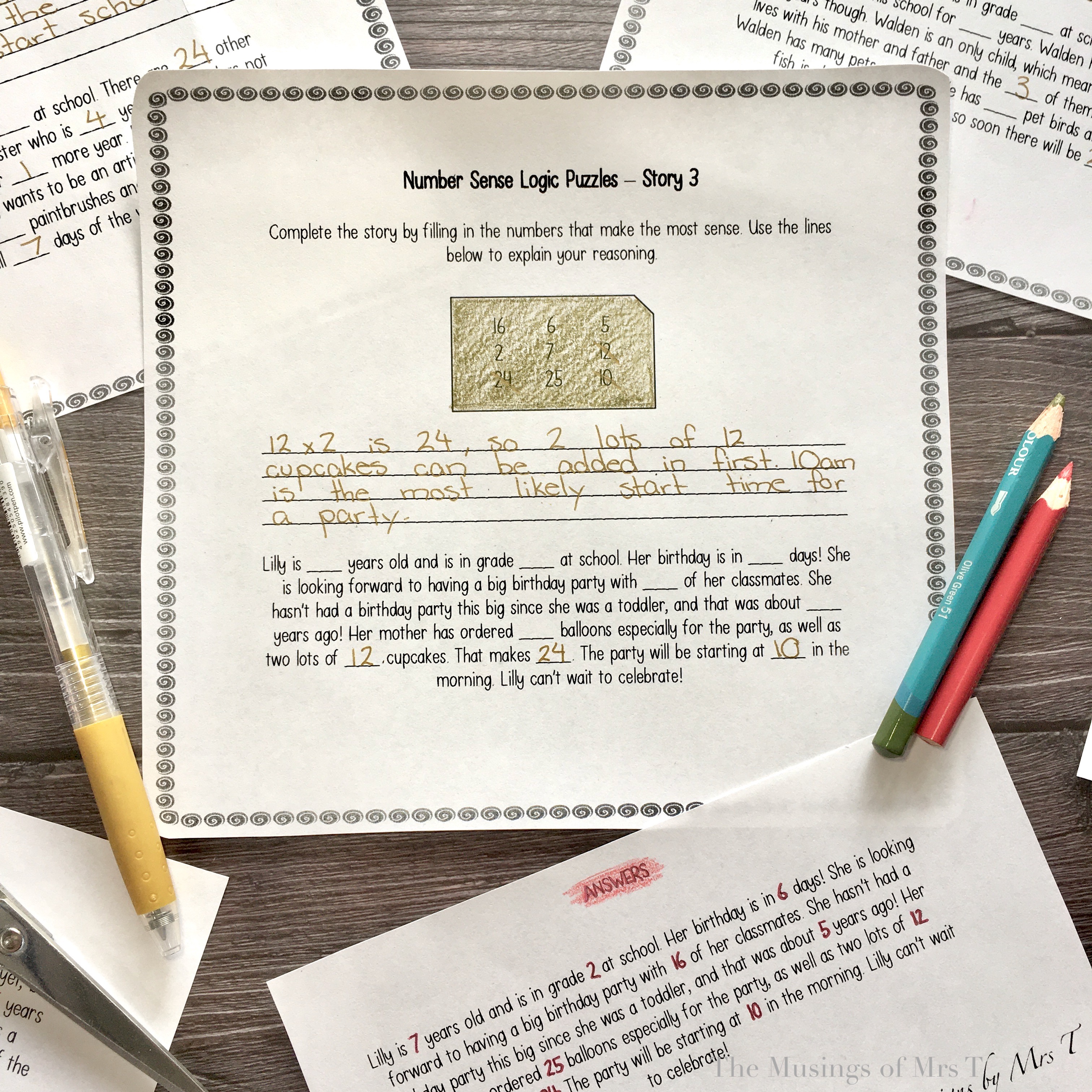
Have you heard of logic puzzles? How about logic puzzle stories? I developed a set of logic puzzle stories available here to help students with their understanding of the value of numbers in the real world. Students are given a text to read that requires them to fill in the numbers that make the most sense in the context of the story. It’s reading comprehension and number sense in one activity!
Add Number Values to Words
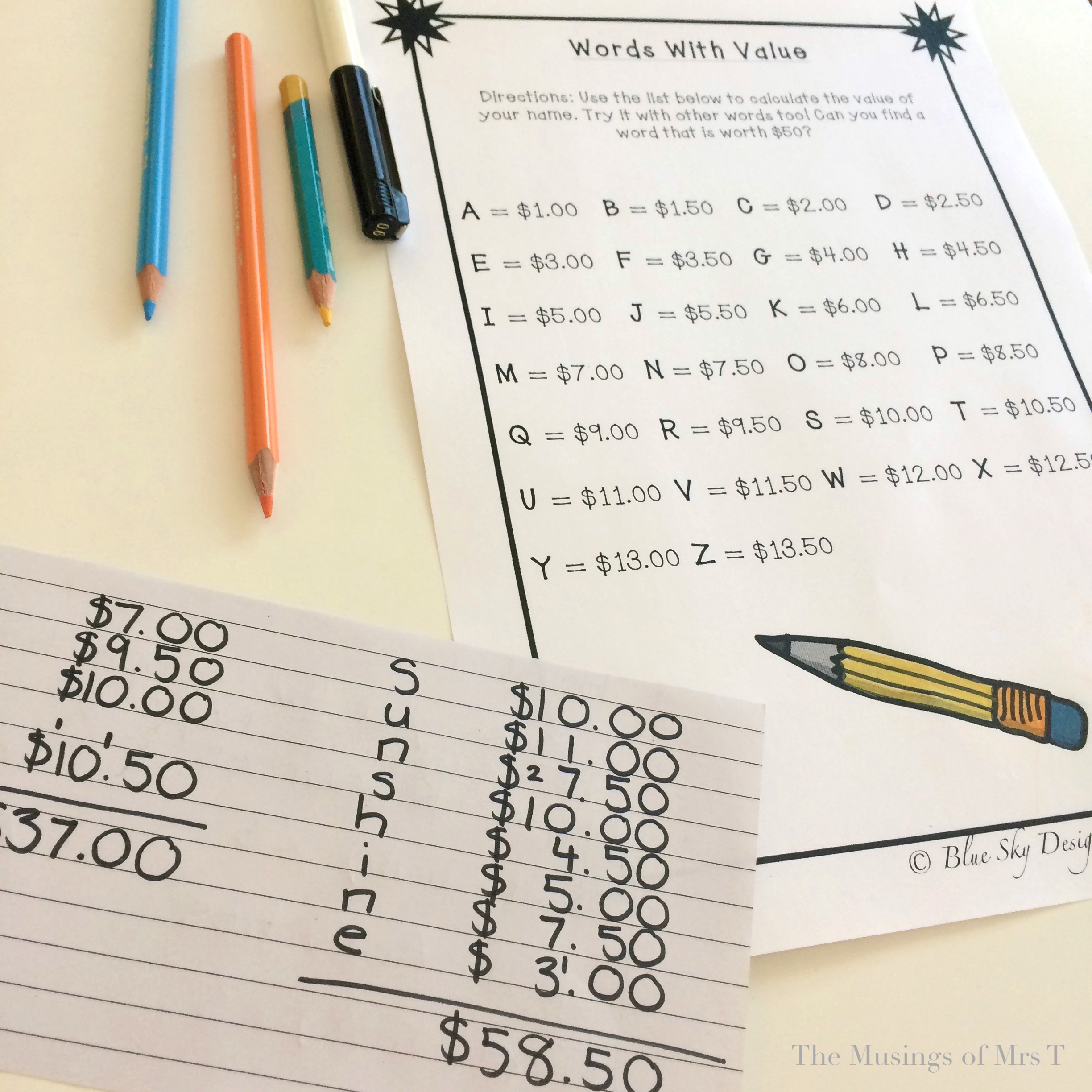
There’s a little game I like to call ‘Words with Value’. To play, students are given a list of letters of the alphabet with a number value assigned to them. They then need to try and find words that add up to a certain amount. I’ve created a template for this game as part of my Money Games set available here, and you can easily adapt this concept to suit the students that you’re working with too.
Get Cooking
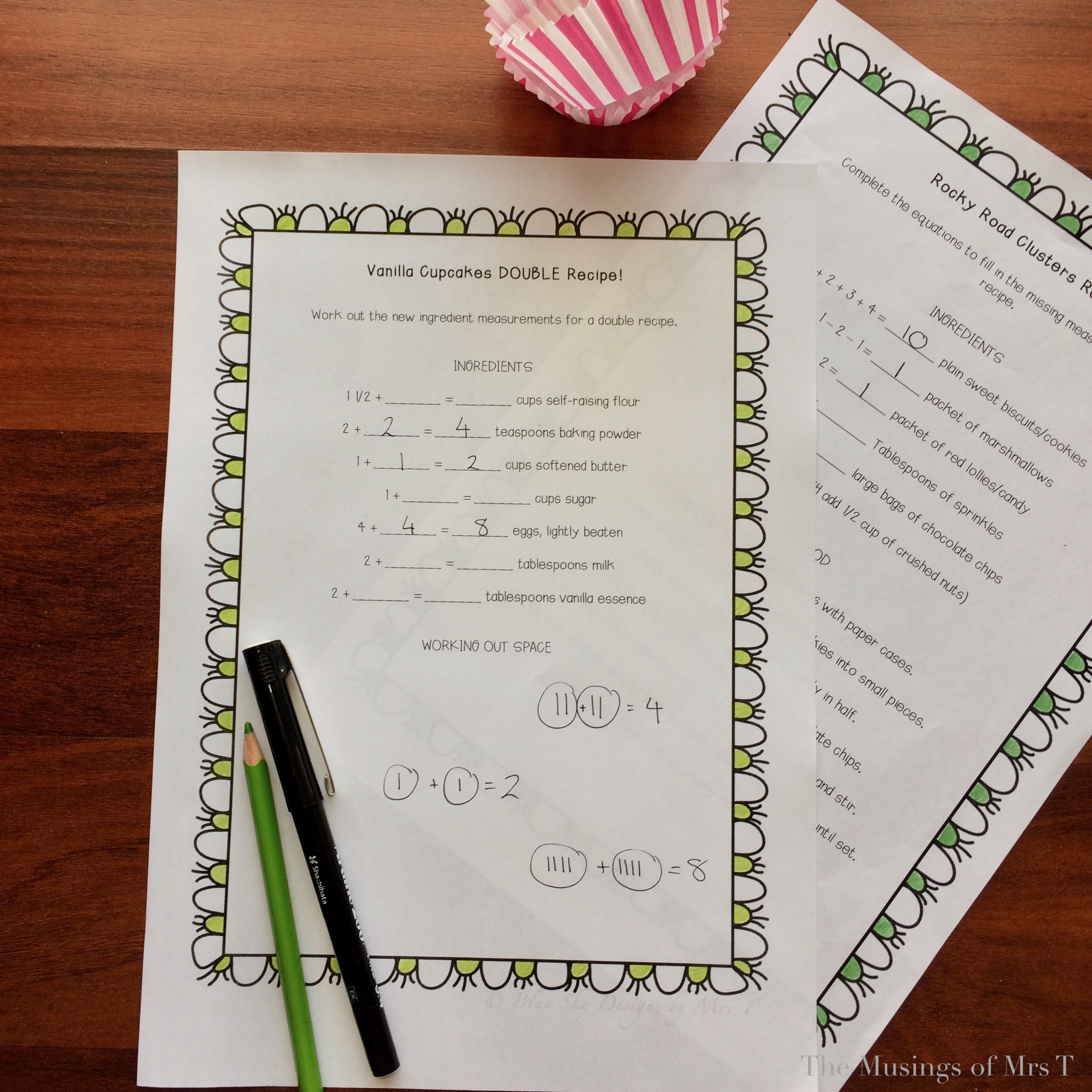
Working through a recipe is an excellent way to naturally combine English and Maths. Students are using their reading and comprehension skills to make sense of the instructions. At the same time, they’re using maths skills to measure and calculate the ingredients that are needed. You can even extend this further by asking them to double the recipe. If you’re after some kid-friendly recipes to try that have added maths tasks involved, you can find my set of Cooking With Maths Activities here.
Utilise Student Choice Boards
I’m an advocate for using student choice boards in the classroom. The great thing about choice boards is that you can easily combine more than one subject area in the one board and have students working through Maths and English tasks at the same time! If you’re looking for more information about student choice boards, take a look at this post on setting up choice boards for ELA assessment.
I hope you enjoy trying out these activities with your students! If you’d like to read more of my tips on teaching English, then part 1 of my ‘Navigating Narrative Writing’ series is a great place to start. If you’d like more ideas for your Maths lessons, then take a look at this post on ‘Promoting Problem-Solving Skills’.
Have a question or a request? You can contact me at blueskydesignsbymrst@gmail.com.

 Mrs T's Musings
Leave a reply to Competition or Cooperation? – 5 Ways to Increase Cooperative Learning Opportunities in the Classroom – The Musings of Mrs T Cancel reply