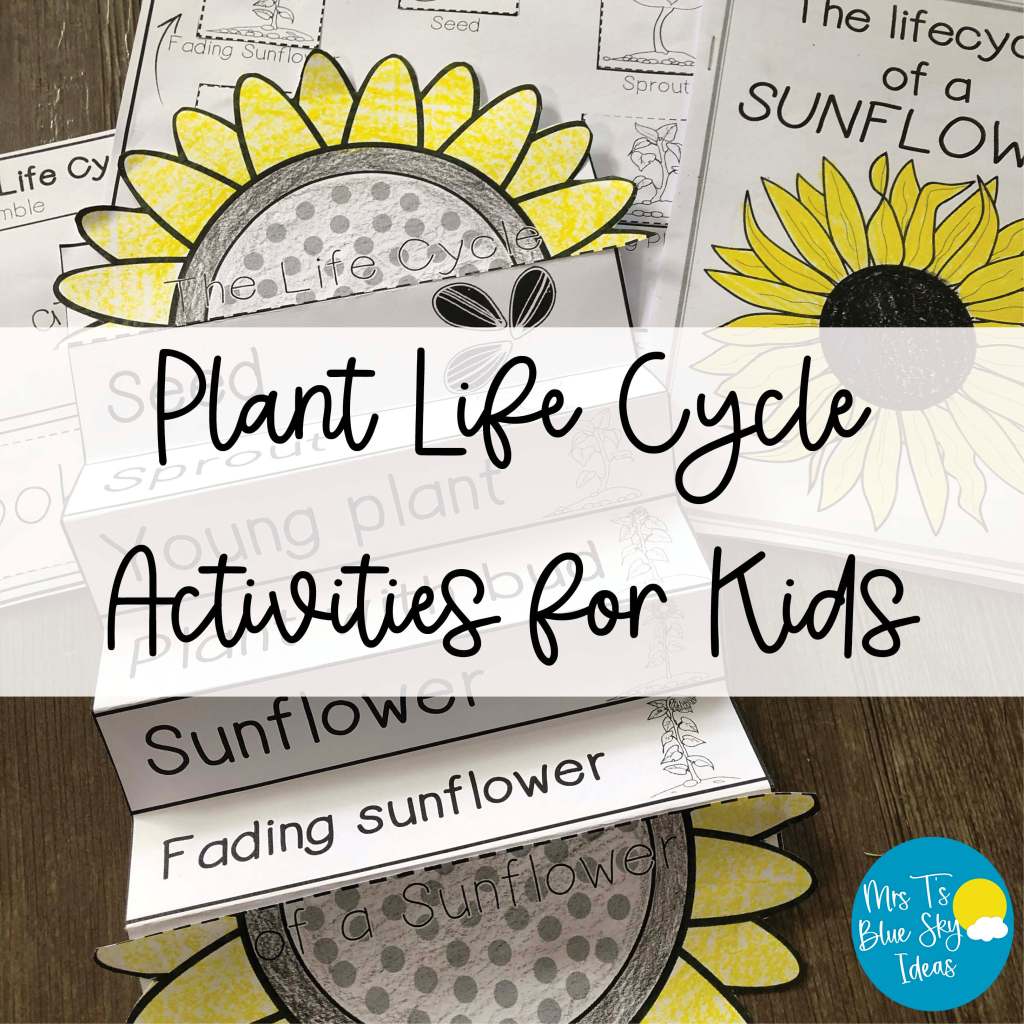
The plant life cycle is such a fun and fascinating topic to explore with students. Kids are naturally curious about how tiny seeds can grow into tall, beautiful plants, and the process always seems to capture their wonder. Teaching the plant life cycle also provides a great opportunity to pause and appreciate the incredible design of God’s creation.
There are many ways to introduce the plant life cycle to kids. In this post, I’ll share some of my favourite plant life cycle activities, with a special focus on the sunflower life cycle. Each activity is engaging, easy to implement, and can be used on its own or combined into a complete plant life cycle unit.
Introduce the Plant Life Cycle with Engaging Books and Visuals
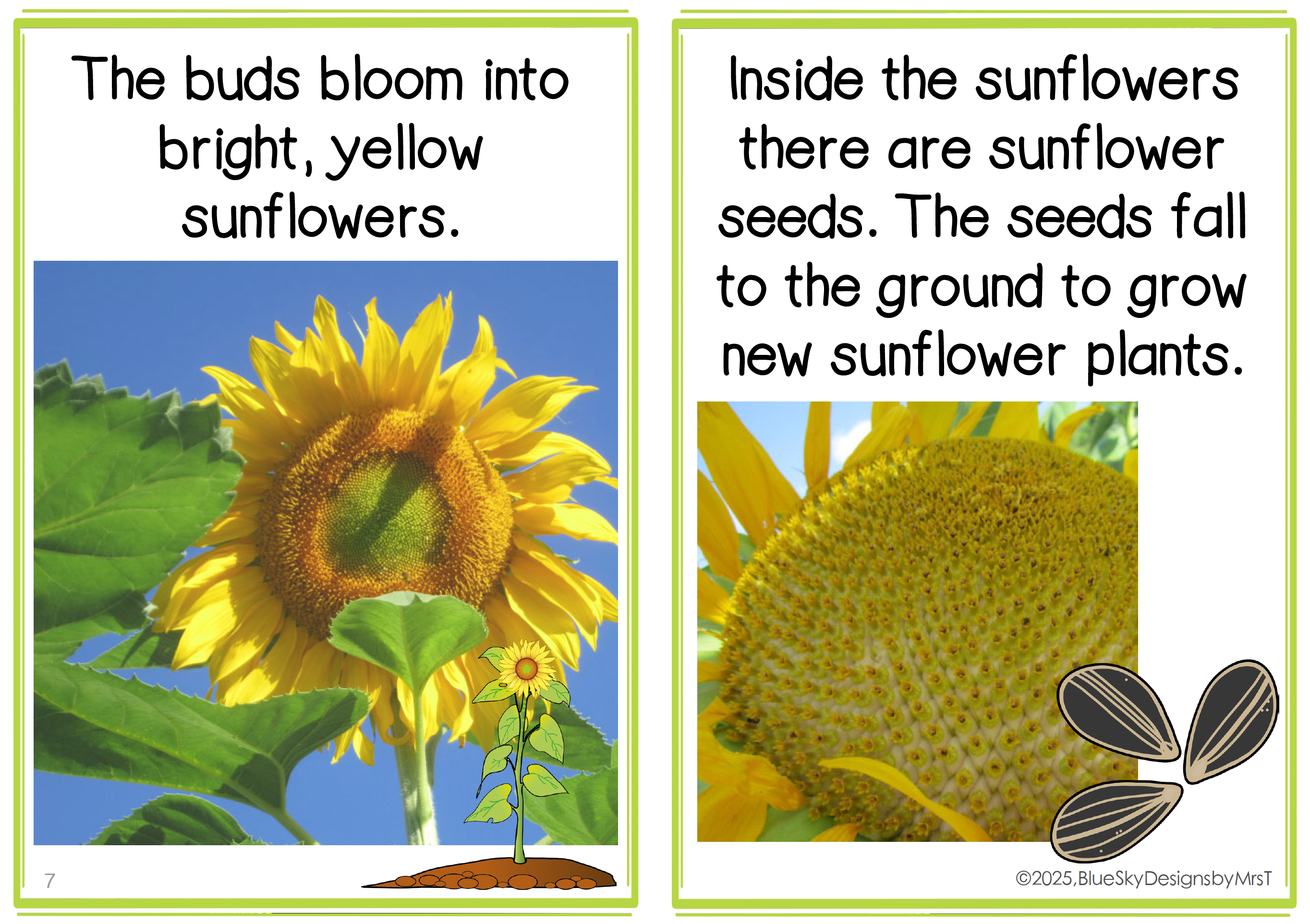
A simple yet engaging place to start when it comes to introducing the plant life cycle is using visually appealing information booklets and books to introduce the different plant life cycle stages. Starting with books helps children build background knowledge and vocabulary while sparking their curiosity about how plants develop from tiny seeds into mature, flowering plants. Books that include real-life photos work well for this, as they give children a clear reference of what each stage can look like in the real world.
For example, the printable Sunflower Life Cycle Booklet shown below is a fantastic resource to use when introducing the topic. The colourful, high-quality images keep students captivated, while the clear, simple explanations help them grasp how a sunflower grows from seed into a tall, blooming flower.
Create Simple Plant Life Cycle Readers for Early Learners
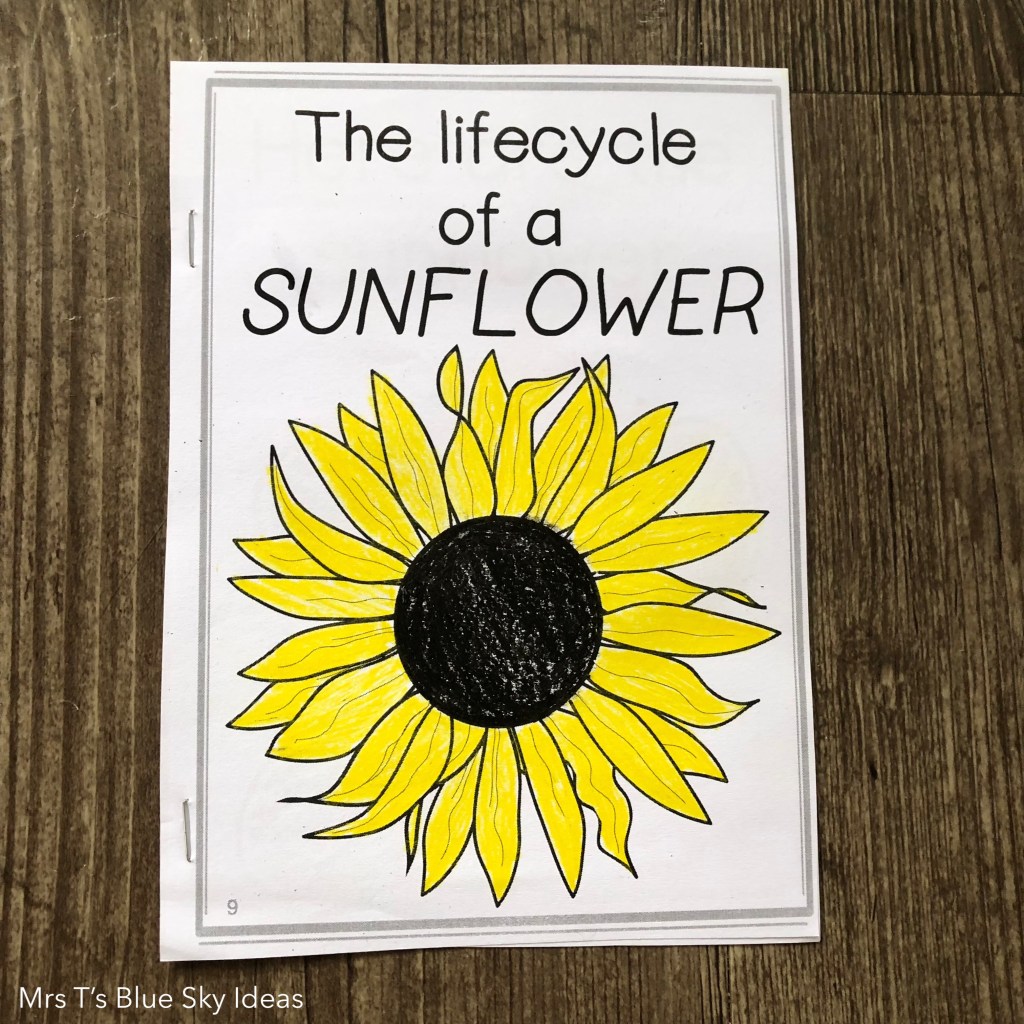
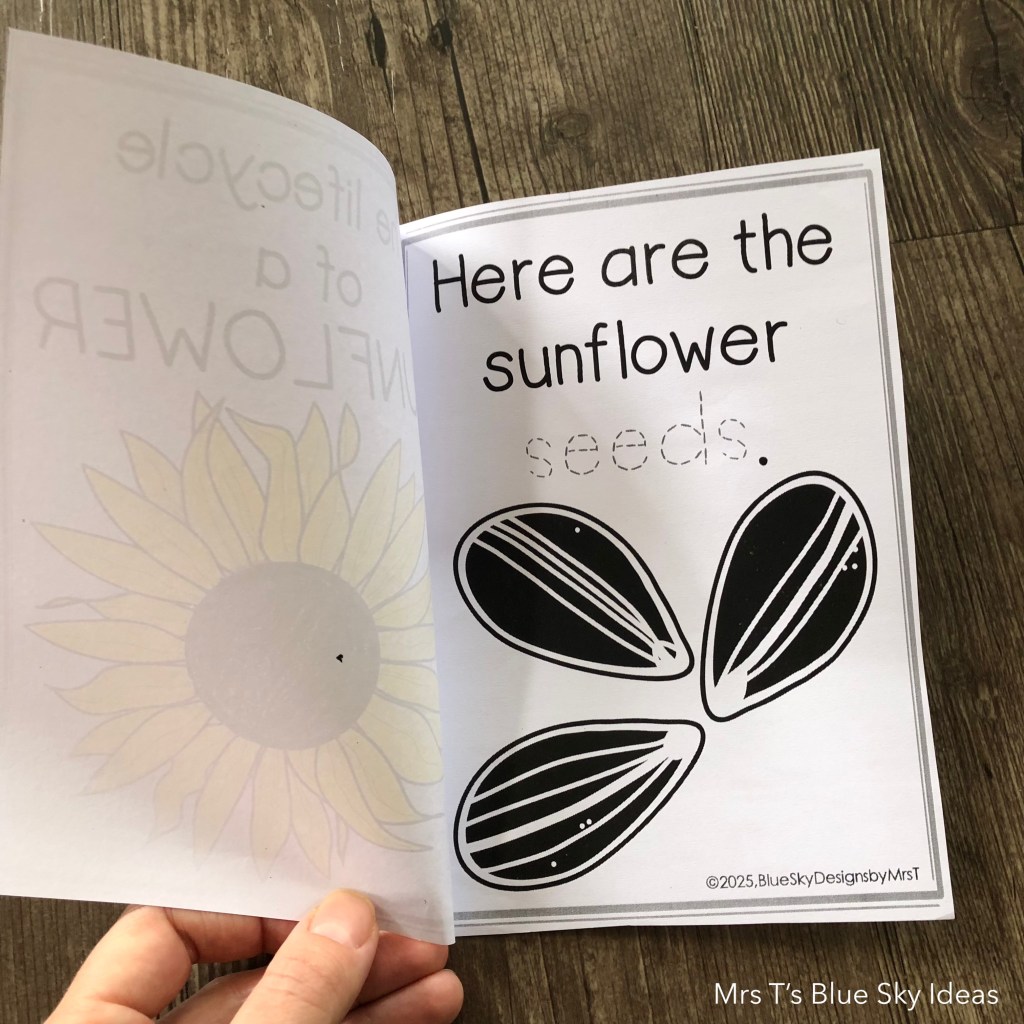
Having information books available for children is a fantastic way to introduce the topic, but the learning becomes even more meaningful when students create their own reference booklets. Try putting together individual student readers that focus on the plant life cycle, like the sunflower booklets pictured below. This hands-on activity helps students process what they’ve learned and gives them a personal resource to revisit throughout the unit. Encouraging students to create their own readers also helps reinforce key plant life cycle vocabulary.
Let Kids Piece Together the Plant Life Cycle
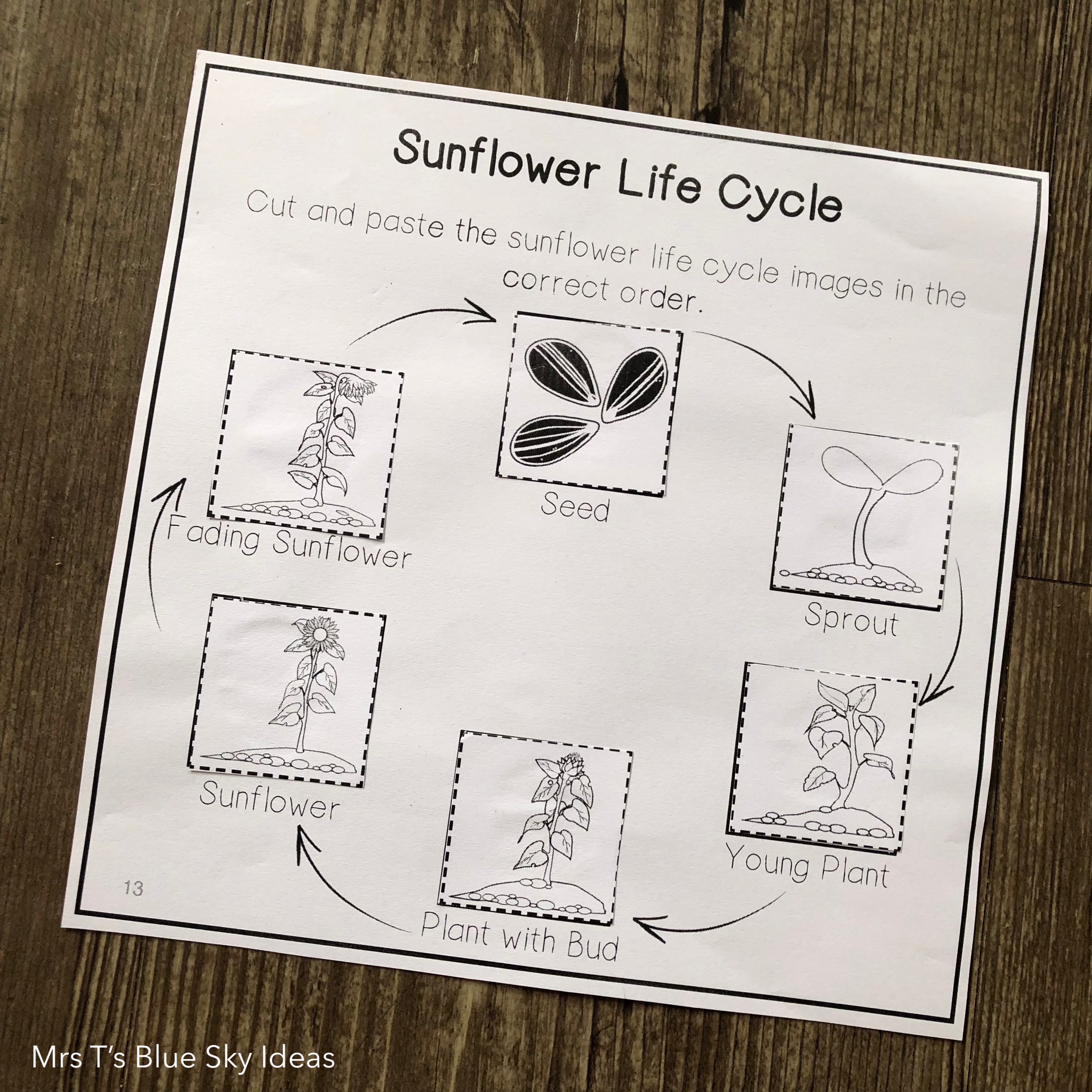
Having students order the stages of the plant life cycle is a fantastic way to check their understanding in a hands-on and engaging way. Turning this review into a cut-and-paste activity helps reinforce learning through creativity, making it especially effective for younger learners.
In the example below, students cut out the different stages of the sunflower plant life cycle and then arrange them in the correct order before pasting them into the corresponding spaces in the life cycle diagram. As students work on the task, they actively think through how each stage connects to the next.
To extend the activity, you could have students label each stage, write a short description of what happens during that phase, or compare the sunflower’s life cycle to that of another plant.
Add Literacy Connections to Your Plant Life Cycle Unit
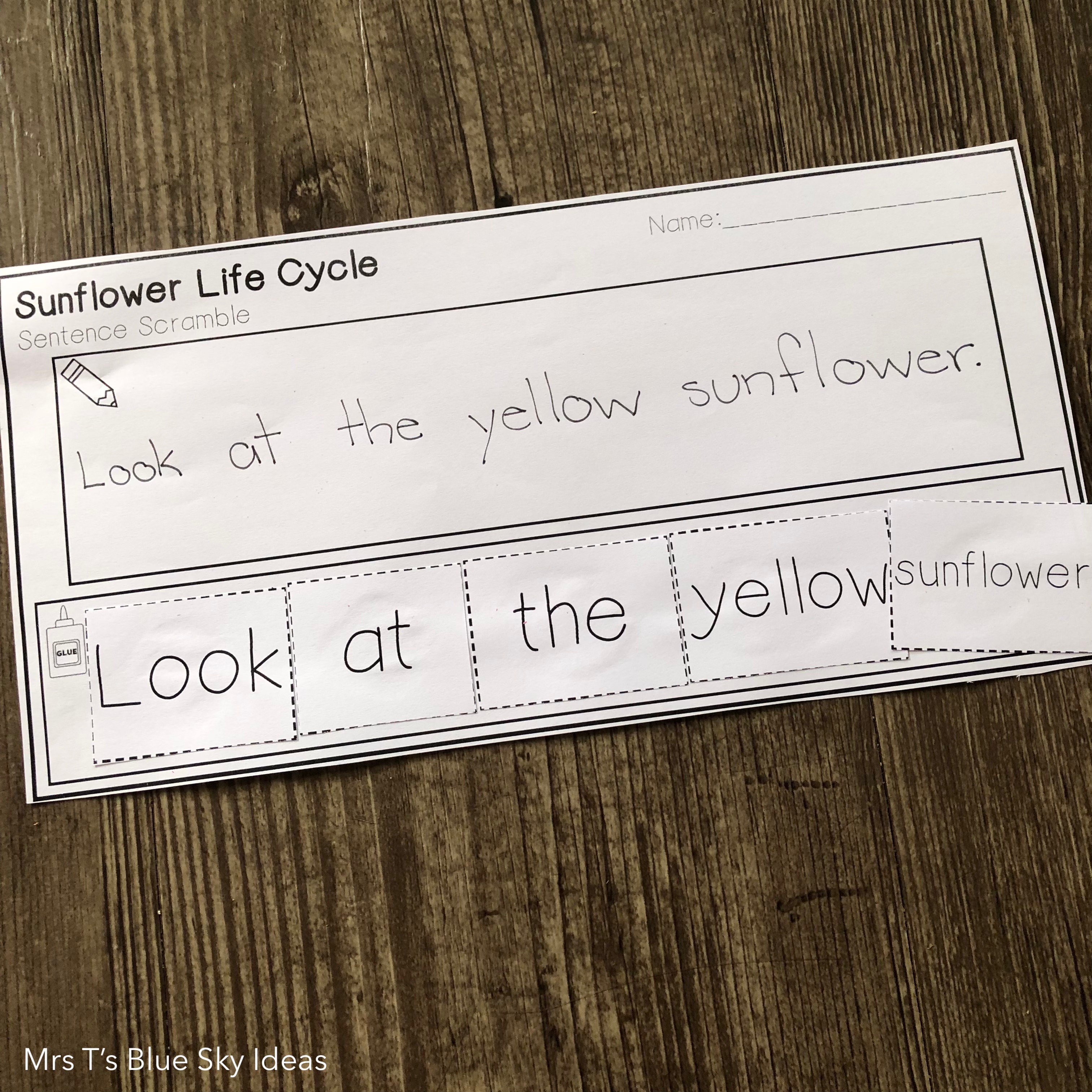
Integrating science into ELA lessons is a great way to help students make meaningful connections between subjects while keeping them engaged. This could look like revising sight words using the topic of the plant life cycle, practising reading basic facts about the plant life cycle or unjumbling sentences about the plant life cycle. All of these activities give kids a chance to practise ELA skills while also reviewing the science they’ve been learning.
Craft a Plant Life Cycle Display
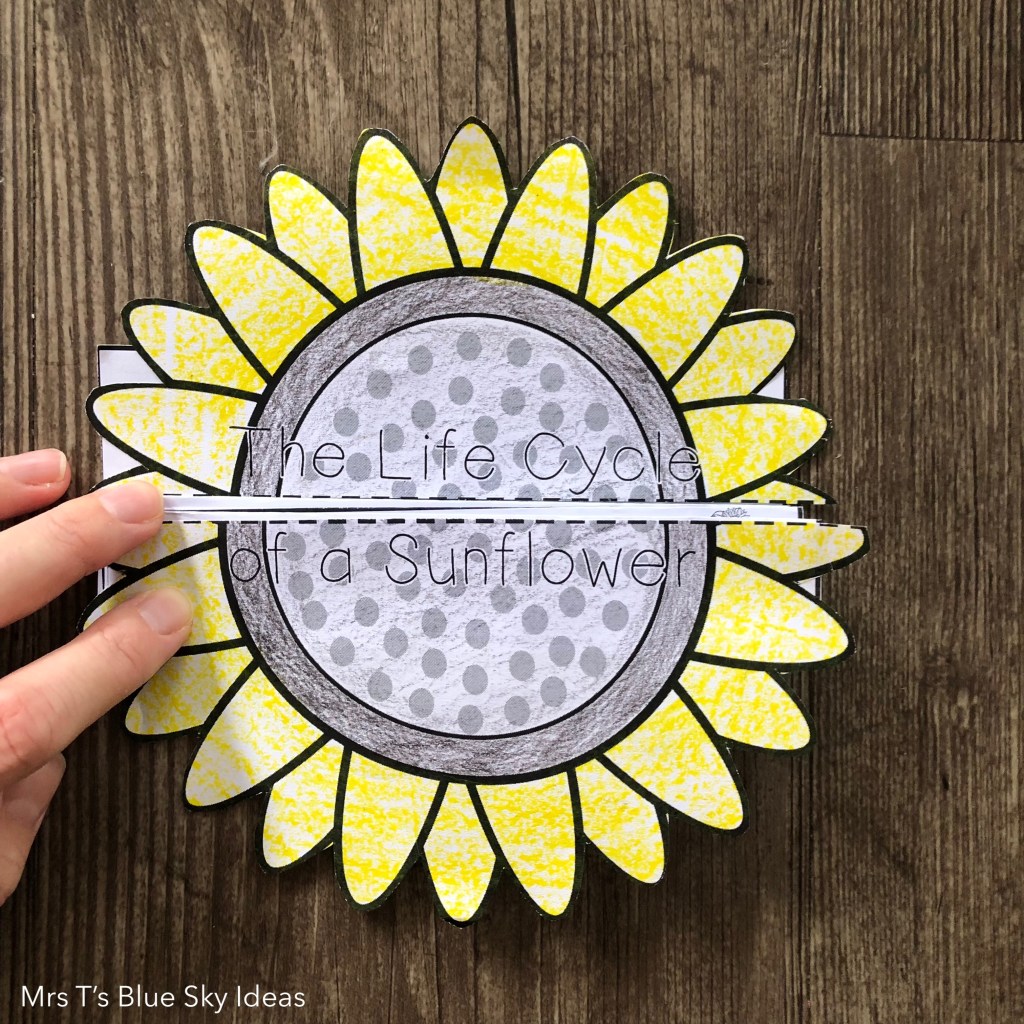
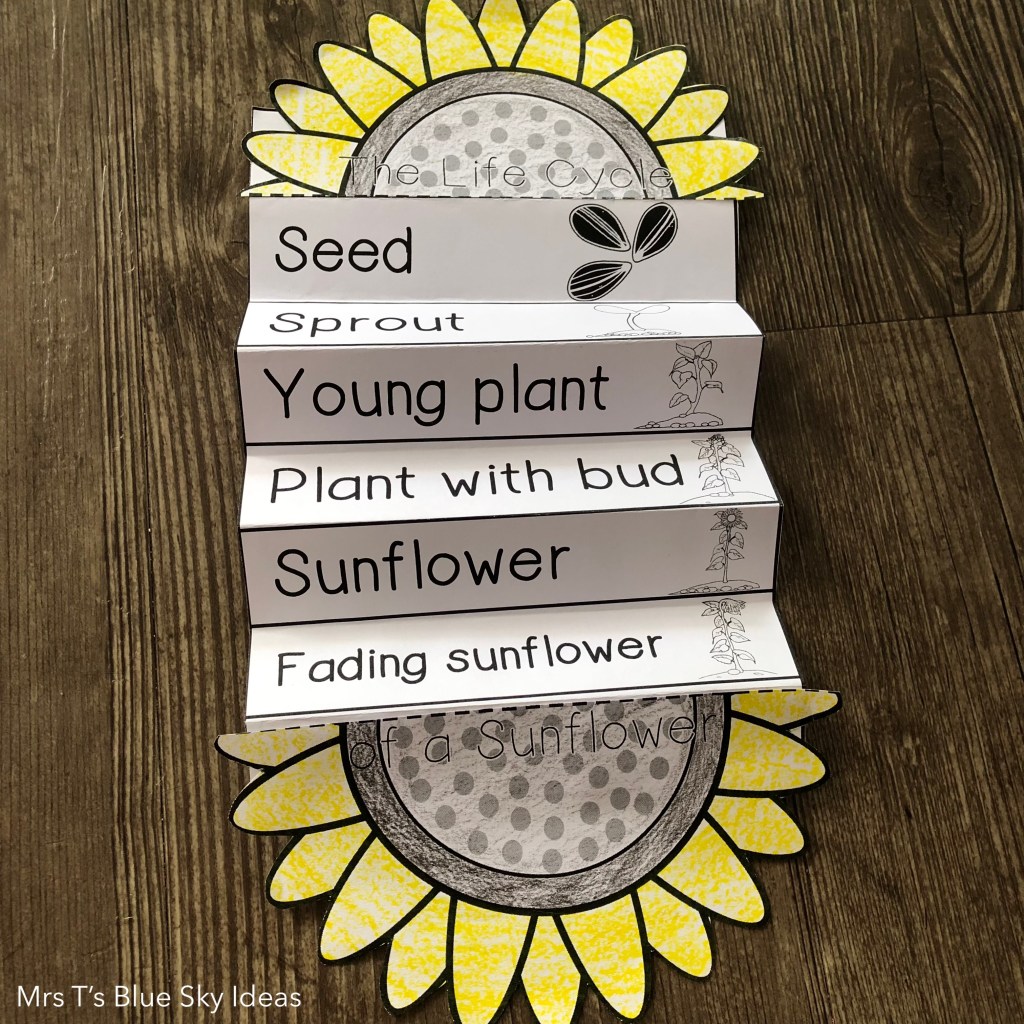
Sometimes, a hands-on craft is the perfect way to capture students’ interest and make learning more memorable. The example below shows a fun and creative plant life cycle craft where each stage of the sunflower life cycle is listed and pops out of a sunflower image. This helps to reinforce the content to students while also making for a great bulletin board display of learning.
Display Student Learning with a Plant Life Cycle Anchor Chart
Visual displays are a powerful way to reinforce learning, and anchor charts are an especially effective tool for making key concepts easy to remember. The example below shows a clear and eye-catching anchor chart that highlights the stages of the sunflower plant life cycle. Displaying this information visually helps students better absorb and recall what they’ve learned, while also giving them a helpful reference point when explaining the plant life cycle to parents, classmates or visitors to the classroom.
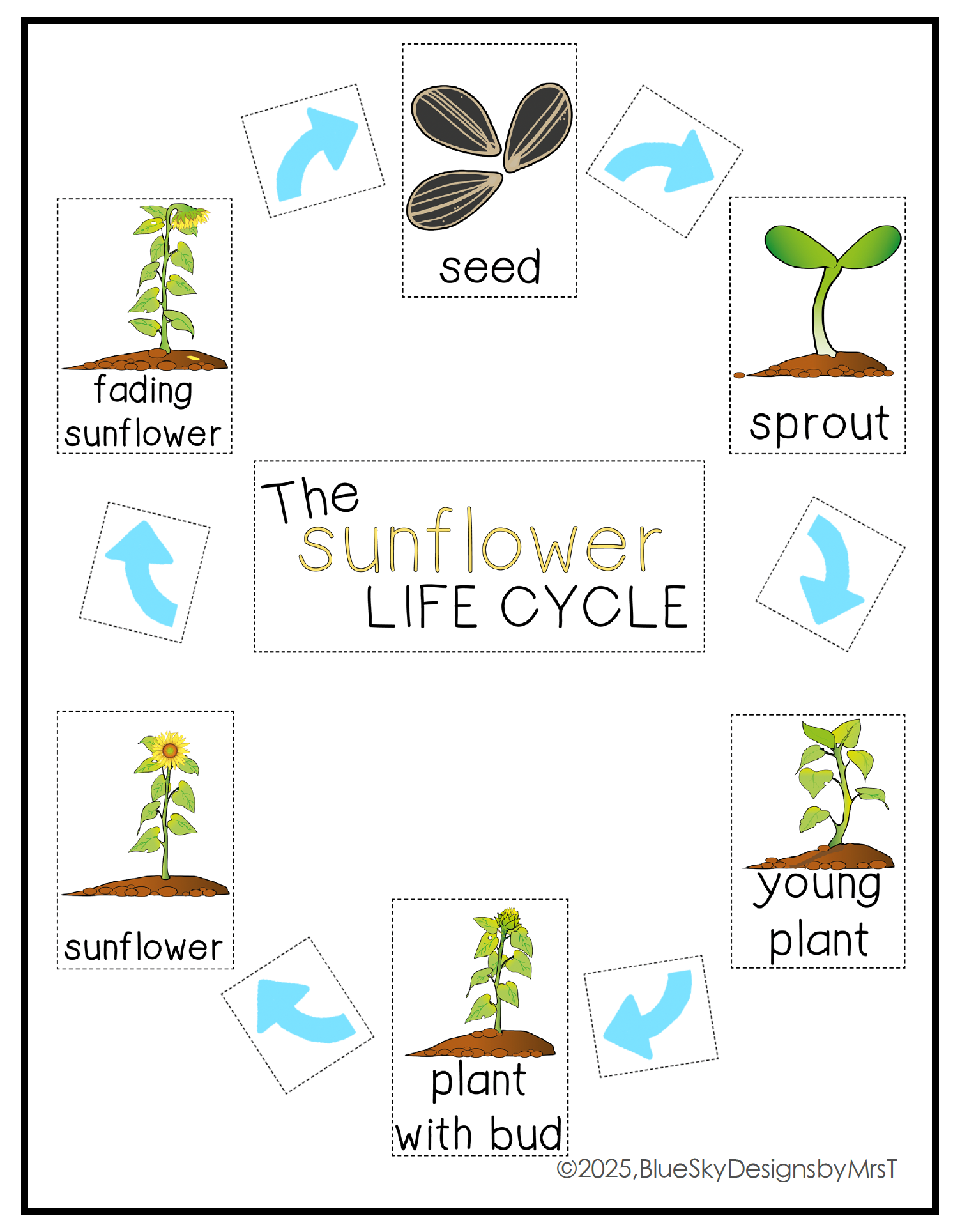
I hope that these ideas help inspire you as you plan your next plant life cycle unit!
If you’d like to save time, instead of scouring the web trying to find copies of booklets and templates about the plant life cycle, I have one resource pack that includes a range of activities focusing on the Sunflower Life Cycle. View the Sunflower Plant Life Cycle Unit here. This resource pack includes booklets, displays and a range of different templates to help students dive into the plant life cycle.
Grab your copy of the Sunflower Plant Life Cycle Unit here.
Want some STEM Picture Book Recommendations for kids while you’re here? Then have a read through my post of Fun STEM Picture Books for Read-Aloud Time.
P.S. I love to hear how my tips and resources are helping you in your teaching, so leave a comment to let me know!
Have a question or a request? You can contact me at mrstsblueskyideas@gmail.com.
 Mrs T's Musings
Leave a comment