
Helping students review and reflect on the texts they read is a powerful way to build comprehension, critical thinking and communication skills. The best part? Book reviews don’t have to feel like a chore. With the right activities, they can be fun, creative and meaningful. In this post, you’ll find some of my favourite ways to make book reviewing a regular (and enjoyable!) part of your classroom routine.
Engage Kids with Ready to Use Templates
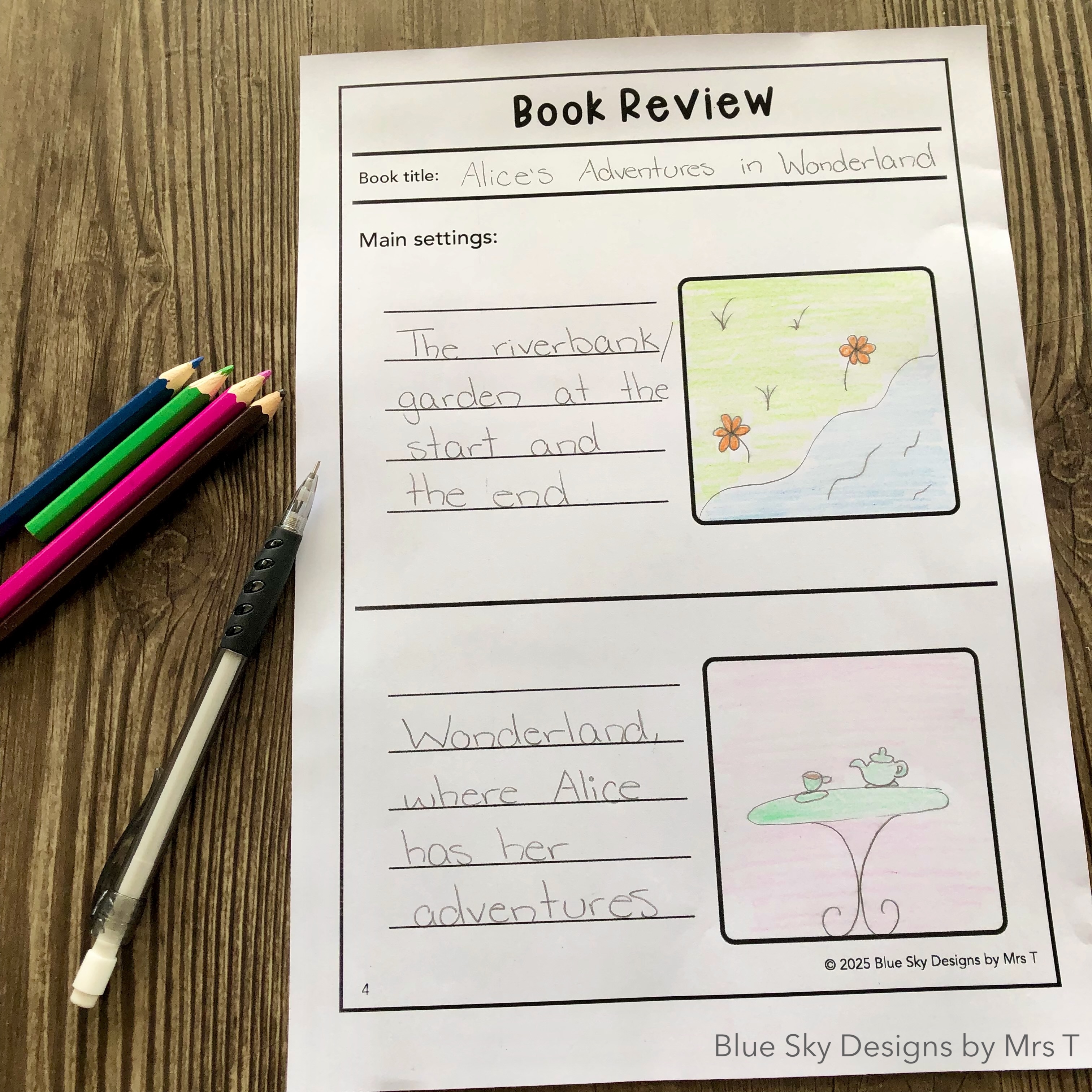
One of the easiest ways to introduce students to book reviewing is by using ready-to-go book review templates. This pre-made set is a great option, as each template highlights a different aspect of the text for students to reflect on. Each time your students complete a new book, they can pick one of the templates to use to review it. Or they can use all of the templates and put them together to make their own book review booklets to share with classmates and family members.
Click here for a copy of the Book Review Templates for Any Book.
Turn Book Reviews into a Game
Having a set of reading response prompts ready is always useful but presenting them in a fresh and interactive way can make all the difference. Try adding the prompts to spinners or dice to bring an element of chance and excitement into the activity. Students will still answer the same thoughtful review questions, but the random selection keeps things engaging and sparks curiosity as they wait to see which question comes up next.
If you’re looking for ready-made reading response spinners and dice, click here for the Reading Response Prompts for Any Book Set.

Jump-start Book Discussions with Discussion Boards
Having students talk about books with their peers is a powerful way to deepen their understanding of texts. However, it can sometimes take a while for group discussions to get going. That’s where discussion boards come in handy. A discussion board provides a guiding question for students to reflect on before the conversation begins. Each student writes their individual response in the space provided, and then the group comes together to share and expand on their ideas. This simple structure helps spark conversation quickly and ensures every student has a starting point for meaningful discussion.
The discussion boards pictured below are specifically designed for reading response time. You can find the full set of Reading Response Discussion Boards here.

Showcase Stories with Student-Designed Posters
Another fun and engaging way to review a book is by having students design a persuasive poster encouraging others to read it. On their posters, students can highlight key themes, characters, settings and important events from the story. They can also add illustrations or images that capture the essence of the text. Once complete, these posters make a fantastic bulletin board display, showcasing student creativity while also recommending great reads to classmates and visitors.
Support Comprehension Through Book Studies
Sometimes it’s helpful to use book review templates that are tailored to specific texts. Book studies for classics like Peter Pan and The Wizard of Oz guide students as they read, encouraging them to stop and reflect on important parts of the story rather than waiting until the end. These kinds of templates usually include prompts about characters, setting, themes and major events, which helps students focus on key details while also building comprehension. They can be used during whole-class read-alouds, in small groups or as part of independent reading.
For book-specific review activities, click here to view the full range of book studies available in my store.

Guide Reflection with Task Cards
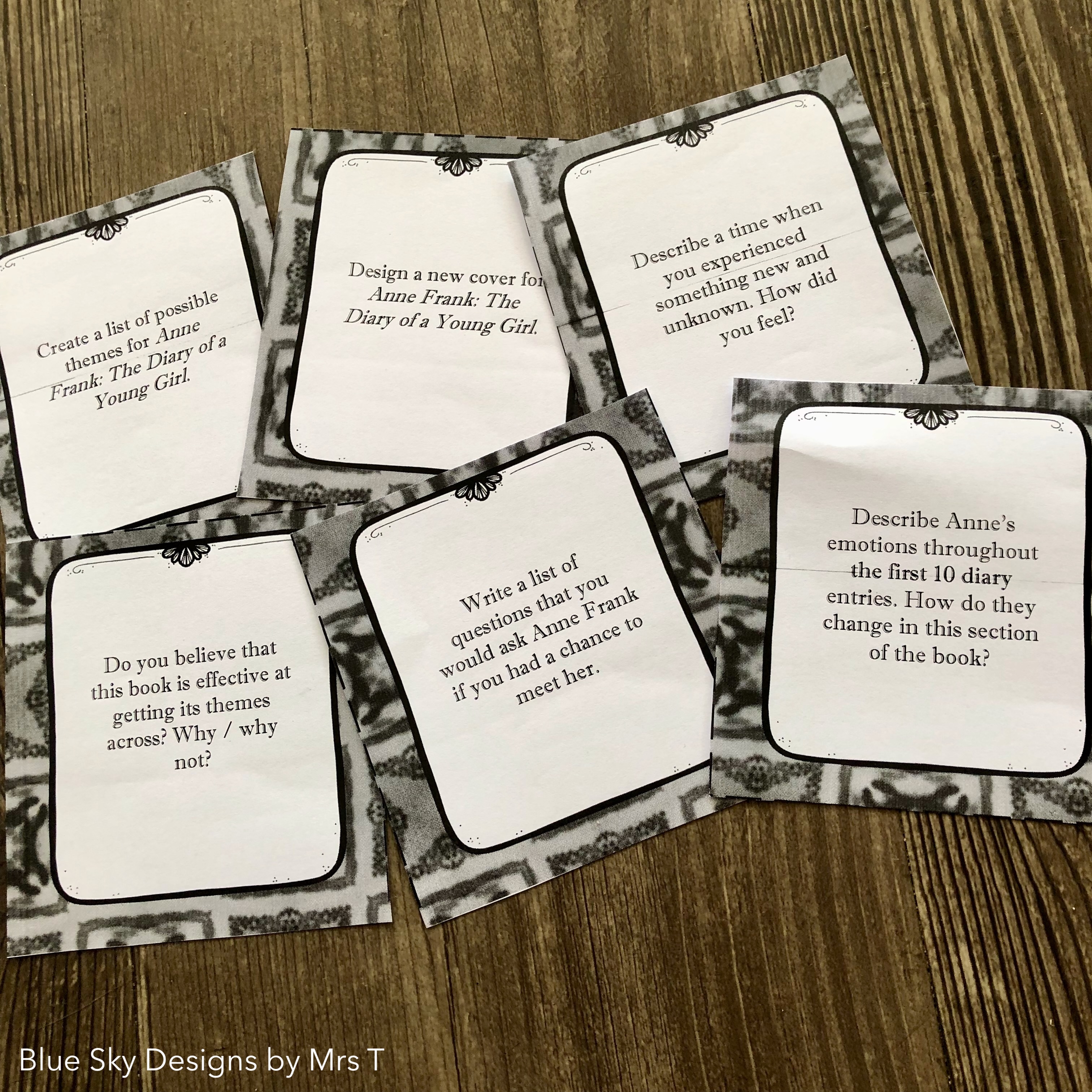
Book-specific studies are a great way to guide students through deeper reflection, and task cards can make them even more engaging. Literature review task cards, like the example below, are designed for older learners and prompt them to think critically about themes, characters and ideas within the text. Because task cards are so versatile, they can be used in many ways — individually, in pairs or in small groups — making them an excellent tool for sparking thoughtful conversations and strengthening comprehension skills.
To view the full range of Literature Review Task Cards available in my store, click here.
Build Connections Between Books
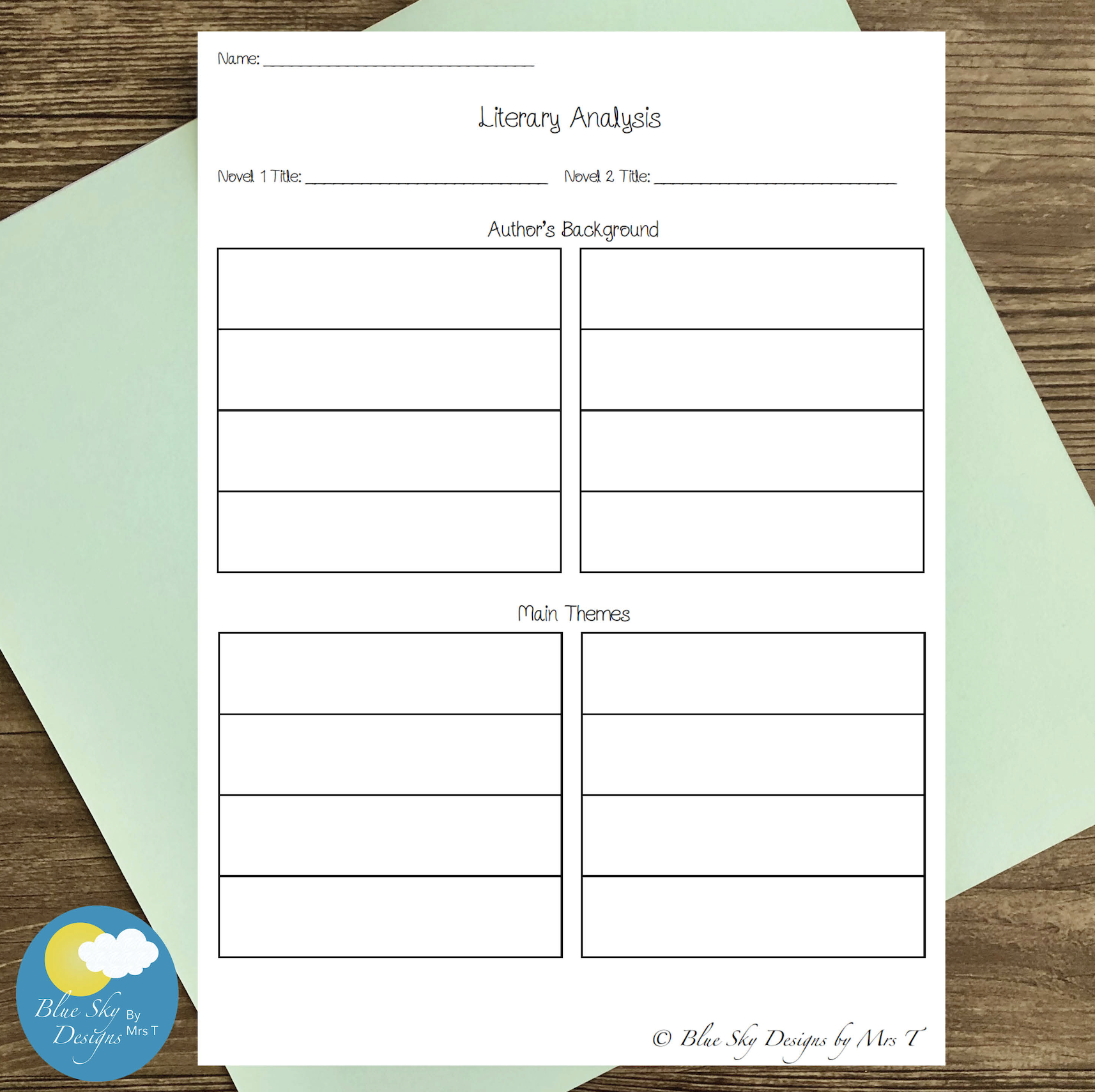
Once students have had some practice with reviewing individual books, you can encourage them to start making book comparisons. Using book comparison templates like the one shown below helps students to take in-depth notes and focus on different key aspects of the texts. This is a great skill for students to develop as it helps them practise making connections between texts and noticing key patterns and themes.
If you’d like a copy of the templates pictured below, click here for the Reading Paired Texts Essay Templates.
I hope that these ideas help inspire you to try something new with book reviews in your learning space!
You can click the links in the post to access copies of all the resources mentioned.
Want some STEM Picture Book Recommendations for kids while you’re here? Then have a read through my post of Fun STEM Picture Books for Read-Aloud Time.
P.S. I love to hear how my tips and resources are helping you in your teaching, so leave a comment to let me know!
Have a question or a request? You can contact me at blueskydesignsbymrst@gmail.com.

 Mrs T's Musings
Leave a comment