Before becoming a mum, and before becoming a full-time primary school teacher, I spent two challenging yet rewarding years as a relief teacher in Australia. That time brought its share of difficulties but also unique opportunities — like building confidence in managing a classroom of students.
When you are thrown into a challenging situation, you quickly learn what works and what doesn’t. One thing that you soon come to learn when relief teaching is that a good classroom management plan is everything. I recorded most of the following tips while I was still in the midst of relief teaching, but I have updated them and added a few more now that I have had more experience with teaching. I hope this post provides some useful strategies to all the other relief teachers and full-time classroom teachers out there.
Get to Know Students’ Names ASAP
I really can’t stress this enough. This is a simple thing that makes teaching so much easier. Peek at the names on their books or the labels on their pencils if you need to, but make every effort to get to know the students’ names.
Make Sure Expectations Are Clearly Set
If the students are confused by what is expected of them then they’re more likely to act out. Make sure you address this from the beginning by clearly letting them know what behaviour you’re looking for.
Use Consistent Classroom Procedures
If you’re relief teaching, try to keep the usual classroom procedures in place. If you’re a full-time classroom teacher, get some consistent routines in place that will help give the students some predictability.
Set Up a Safe Community of Learners
You want to make sure the students feel confident enough to give things a try. Let them know that making mistakes is part of the learning process and do what you can to encourage student participation.
Be Intentional With The Classroom Layout
The way the classroom is arranged can make a big difference on students’ learning. Making sure the space is inviting while also not being too distracting is a great place to start. It’s also helpful to consider if the seating arrangement is helping students focus or if it’s time for a change. Of course, as a relief teacher, you wouldn’t change up the classroom layout, but you might decide to use the areas of the classroom that students can best focus in.
Keep a Calm Front & Don’t Take Behaviour Issues Personally
If a student says that your lesson is boring don’t take it personally. It’s hard but important to keep a calm front instead of reacting out of emotion.
Arrive Early Before School to Prepare for the Day
Give yourself time to prepare for the day before the students arrive. You don’t want to start the day in a fluster because you were running late.
Show That You’re Interested in What You’re Teaching
Sometimes you don’t even like the lessons that you have been asked to deliver, but you need to find a way to show that you enjoy and care about what you are teaching. If you’re not interested the kids won’t be either.
Use Positive REinforcement
When addressing student behaviour, focus on pointing out and rewarding the children who are doing the right thing, rather than only noticing when students are doing something wrong. While you will still have to correct students when they choose not to follow your expectations, setting an environment focused on celebrating the positive will help keep most of the kids from disrupting that.
Have Some Back-Up Activities Up Your Sleeve In Case There is a Change of Plans
Sometimes things go haywire. The activity you were supposed to run fails miserably or the students are done with everything that was planned in the first 10 minutes of the lesson. This is when you need to have a back-up plan.
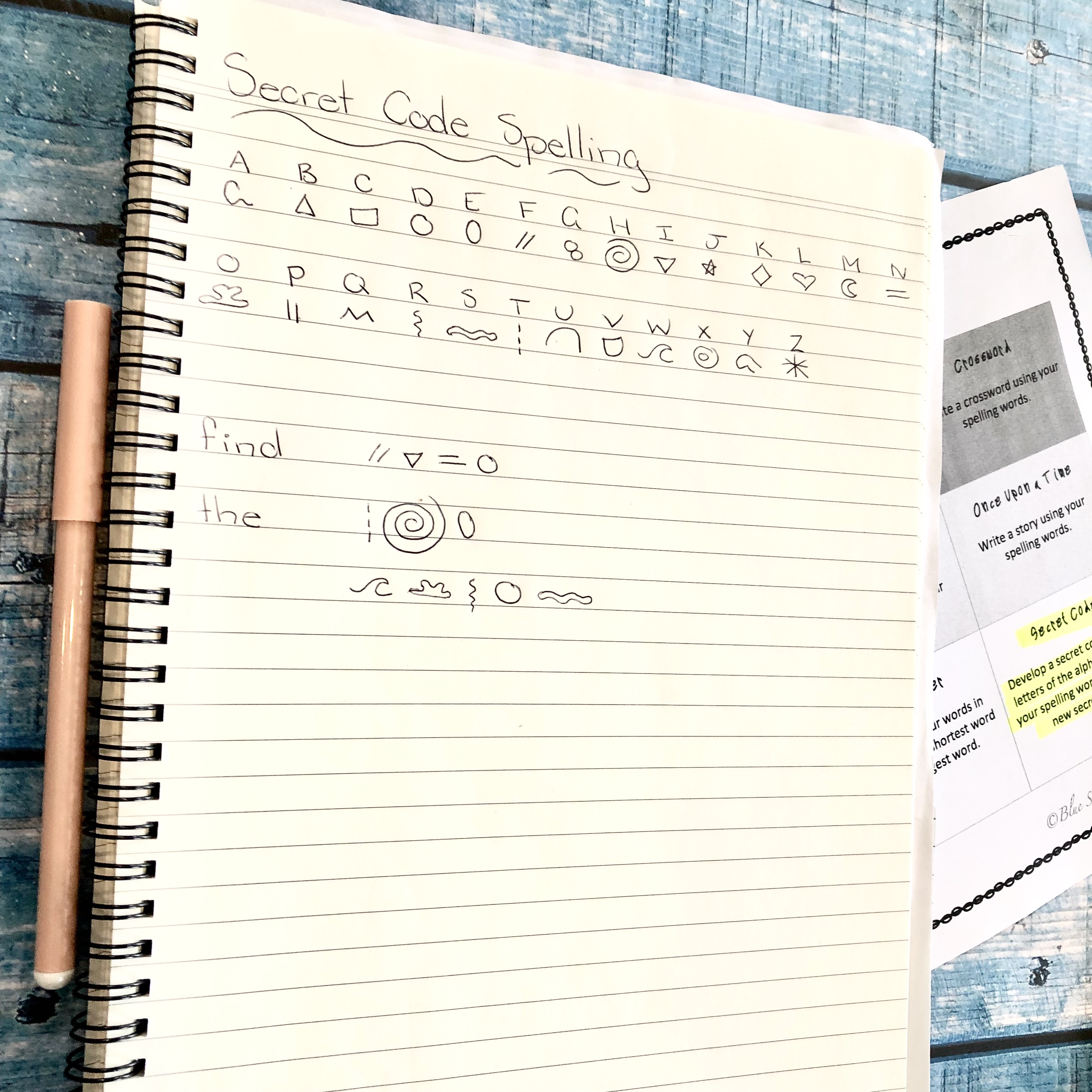
There are so many great games and activities that don’t require any preparation. Have a list of them handy. I would even bring a display folder of worksheets to hand out to early finishers. Things like maths games, spelling activities or brainteasers are ideal. Find what works for you and have it ready to go in case you need it.
Have Brain Breaks When Children Need to Let Their Energy Out
Kids gone wild? It might be time for a ‘brain break’. If you have access to YouTube, there are dozens of dance videos for kids that allow the class a few minutes to get their wriggles out. Another option is giving the class a couple of minutes of ‘free time’ between lessons. Let them get their energy out and then you can continue with the lesson.
Offer to Help the More Disruptive Students
Every class has students who are going to push the boundaries. Often though, these sorts of behaviours stem from either a lack of confidence or a lack of interest in their schoolwork. If you make it your aim to go and offer assistance to the more disruptive students at the beginning of each lesson, you’re not only helping them with their learning, but you’re also connecting with them personally. Both of these tactics will reduce the likelihood that they’ll start displaying negative behaviours while you’re teaching.
Keep Refining Your Strategies and Learning as You Go. No One Gets it Right All the Time.
Remember that teachers are learners too, and that it takes time, practice and a few mistakes before you get things right.
P.S. The work you do is ever so valuable. I know you’re often overlooked, but on behalf of the teachers and parents of the world – thank you.
 Mrs T's Musings
Leave a comment