This is part 2 of a blog series on helping kids with decoding and blending skills. You can read more about the importance of setting a foundation for reading in the early years in part 1, and find more Activities to Help Kids with Decoding and Blending Skills in that post too.
This post includes some more engaging activity ideas to help kids practise their decoding and blending skills. While I have tried to group the ideas in order of progression, you know your children best, so if you think they’d benefit from starting with the activities in this post and then moving onto the ones from last time, that’s great! Otherwise, I recommend beginning with the ideas from Part 1 and then trying some of these ones once your child knows their alphabet.
Remember, learning to read takes time, so be patient with your children and try to focus on making reading time an enjoyable experience for you both. The more that they practise, the more confident they should become over time with each activity.
Point Out The Words Around You
Here’s a nice easy one for you to start with. You know all those signs, labels, lists and packages you come across each day? Point the words out to your children.
Words are everywhere! Instead of ignoring them, use the opportunity to draw your child’s attention to them. Hopefully it won’t be long before they start noticing and pointing out the words they see on their own too.
Sing Songs
Songs are such fun when it comes to learning. They help children with memorisation through repetition. Plus, they build excitement about the topic you’re teaching!
If you do a bit of research it’s easy to find songs that help children with decoding simple words. Below is one example I found to help you get started. (And yes, it will probably stay stuck in your head all day.)
Teach Digraphs
A digraph is a combination of two letters making one sound, such as ph. Through my experience as a teacher, I have seen the effectiveness of taking a phonetic approach to teaching children sounds.
There are a lot of digraphs and combined sounds in the English language. While it can seem overwhelming to teach your child all of them, slowly working through them together will be so helpful when your child is presented with more complex words, particularly as they start ‘blending’ sounds together when reading or writing.
One of the simplest ways to introduce digraphs to your child is through having a ‘sound of the week’. This way, your child is able to see different examples of words using the same digraph, and is more likely to remember the sound you’re working on.
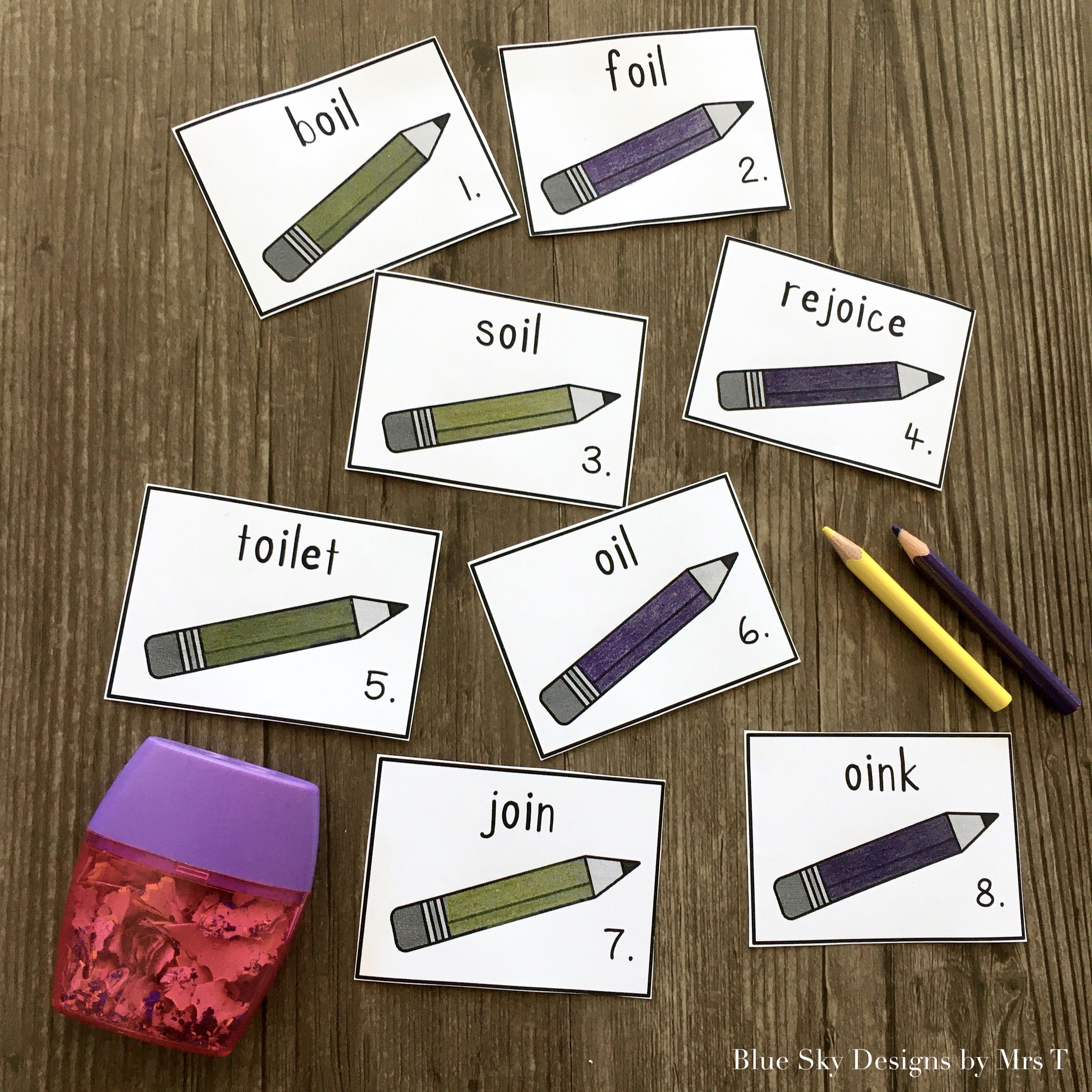
It can be fun to put the words onto flashcards like the ones pictured below to help keep your child engaged. Once the words are on flashcards, you can also use them to play ‘Write the Room’, where you hide the words around the room for your child to come across and write down throughout the day.
You can find a copy of this set of Write the Room Phonics Cards for oi, oy, oa & ow here.
Use Puzzles
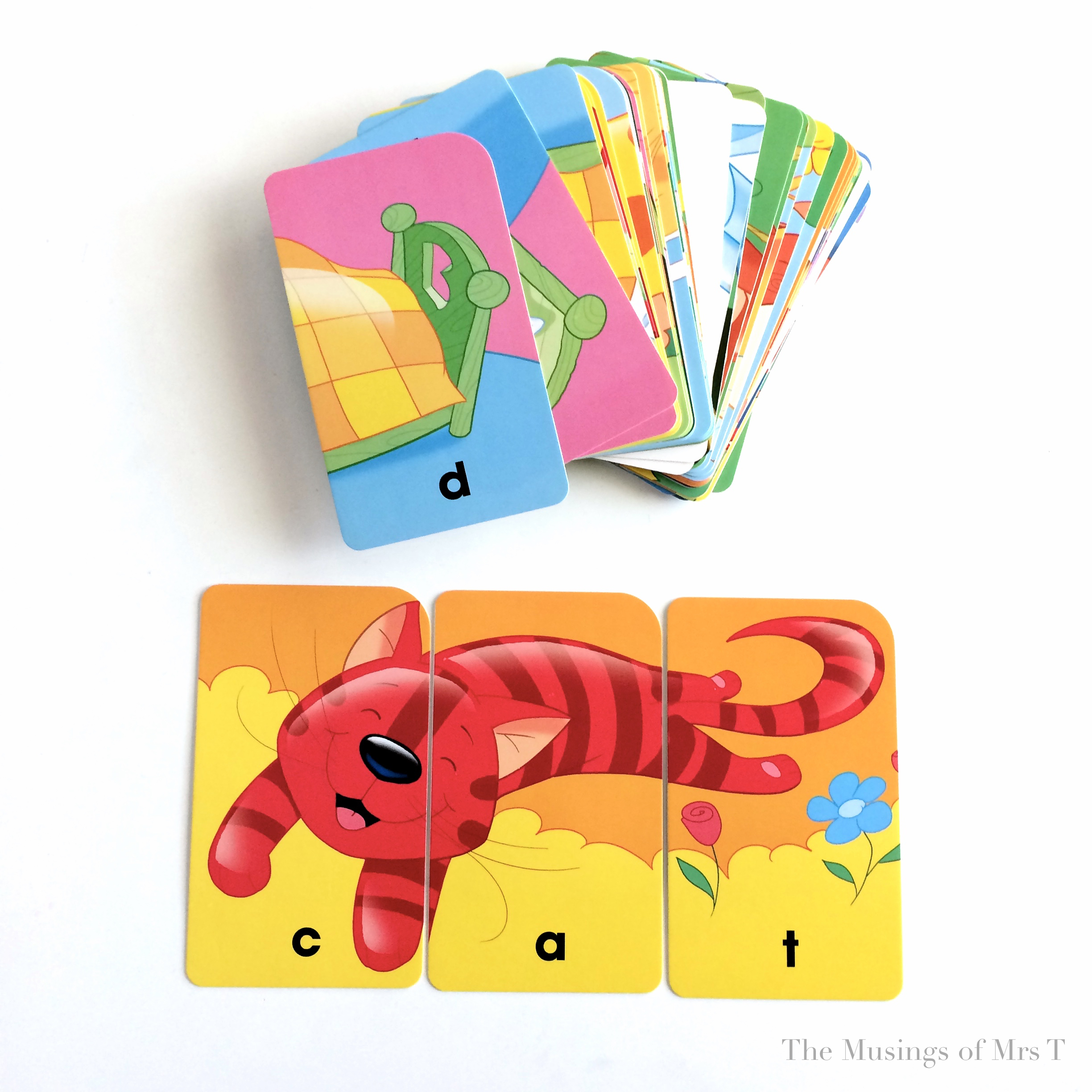
Puzzles are fantastic toys for developing problem-solving skills, and can be used when learning to read too! Simple, three-piece cards like the ones below work as a good starting point. They give your child the opportunity to problem-solve until the pieces are in order and then use decoding to read the word.
Having a separate letter on each piece also means that if your child needs to ‘break apart the sounds’ they can physically split the letters up again and sound them out that way, before putting the whole word back into sequence.
Roll and Read
I have used ‘Roll & Read’ activities in my classroom for students who need practice with their reading, and they always found them engaging!
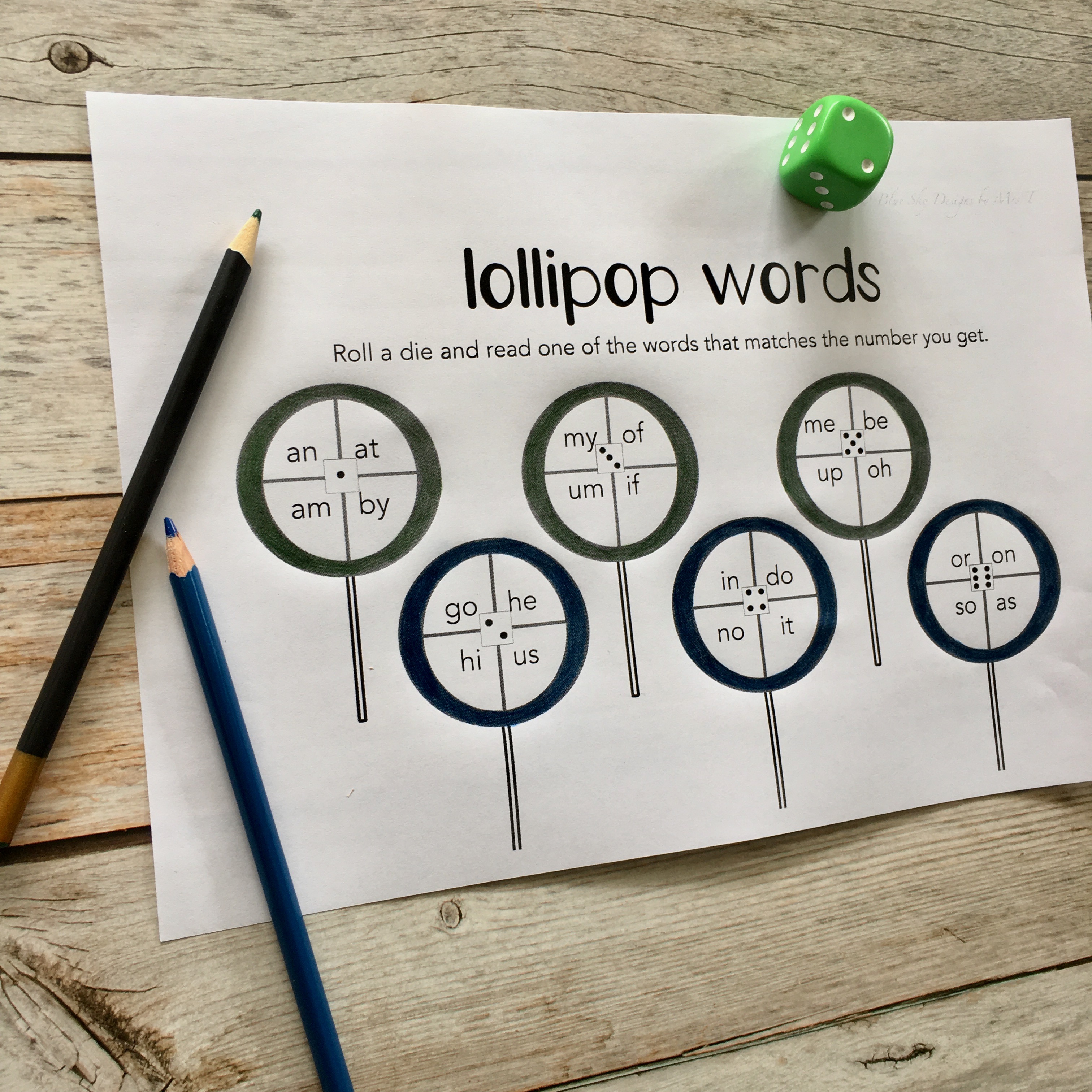
Simply roll a die and then read one of the words that correspond to the number you rolled. You can cover or colour each word once it’s read too. This helps children become motivated to try new words, and can be a fun little game that you can join in with! You can find this cute Lollipop-Themed Roll and Read Set here.
Play ‘I Have, Who Has?’
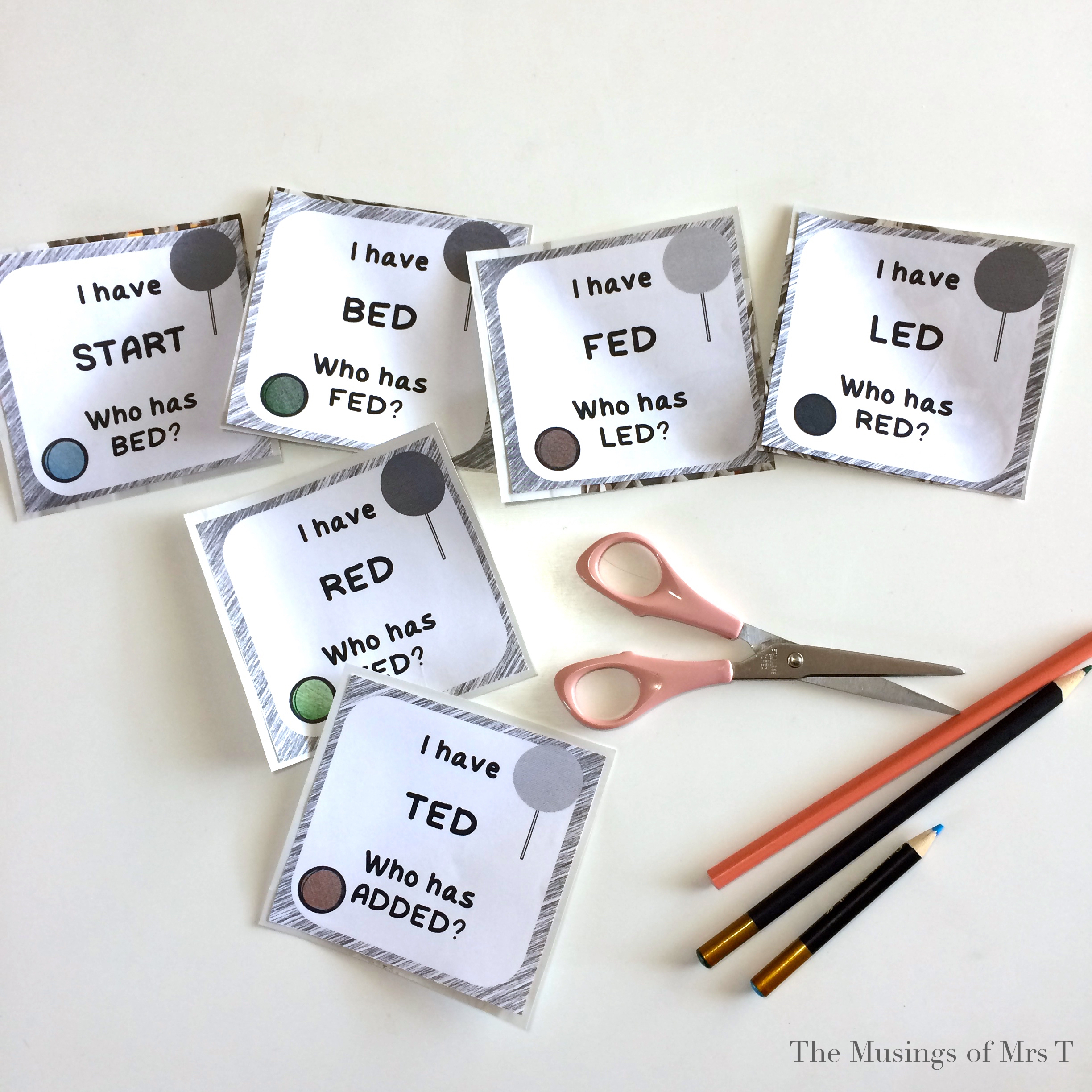
I Have, Who Has is a great game to use with large groups of students. Each student has a card to read out, and they need to be listening out for when it’s their turn to read their card to keep the pattern going.
In the example pictured below, the focus is on words with ‘ed’. One student would read out ‘I have BED, who has FED?’ Then whichever student has the card that reads ‘I have FED’ would go next.
This is a fun way to give students an opportunity to practice their decoding and listening skills at the same time.
Side-note: the first time you play this game with your class, allow more time than you think you’ll need, as it can take children a few rounds before they’re confident enough to respond instantly.
If you’re looking for a set of ready-made cards to try this game with, I have a set of I Have, Who Has Game Cards as part of my ED Word Ending Activities Pack here.
Build Sentences
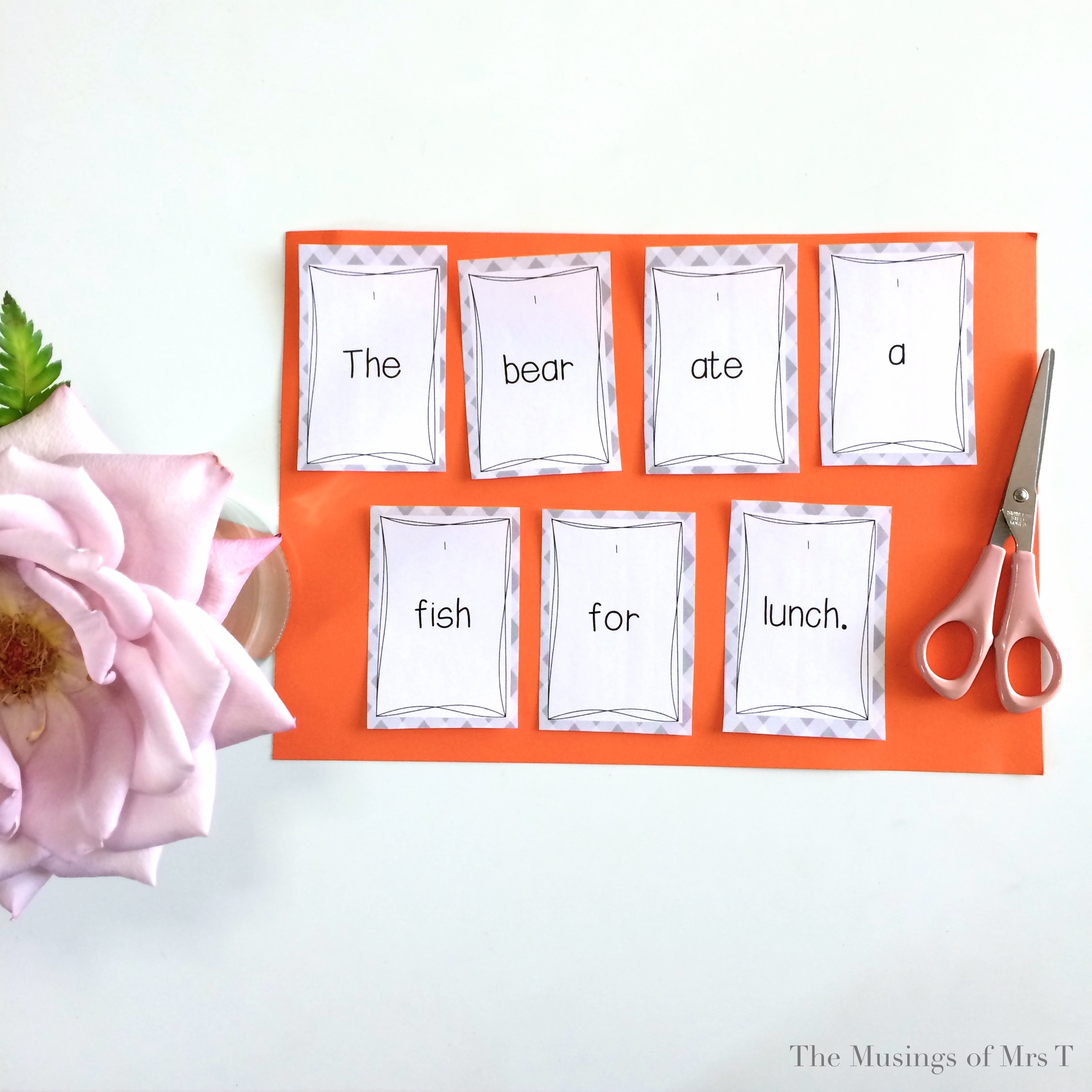
Once your child is able to recognise some simple words, try moving onto sentences. One way to do this is by using word cards, jumbling them up, and asking your child to order them. This allows them to focus on one word at a time, while eventually being able to read the full sentence.
Here are some low-prep, mixed-up sentence cards to get you started.
I hope you have fun exploring some of these activities with your children as they begin to read! You can use the links to buy your own copies of the resources I’ve referenced in this post.
Still after some more ideas? Keep reading the next post in this series: Even More Activities to Help Kids with Decoding and Blending Skills.
Have a question or a request? You can contact me at blueskydesignsbymrst@gmail.com


 Mrs T's Musings
Leave a comment